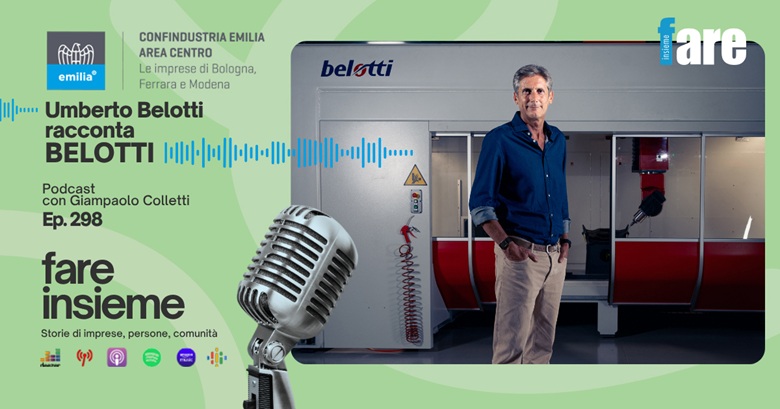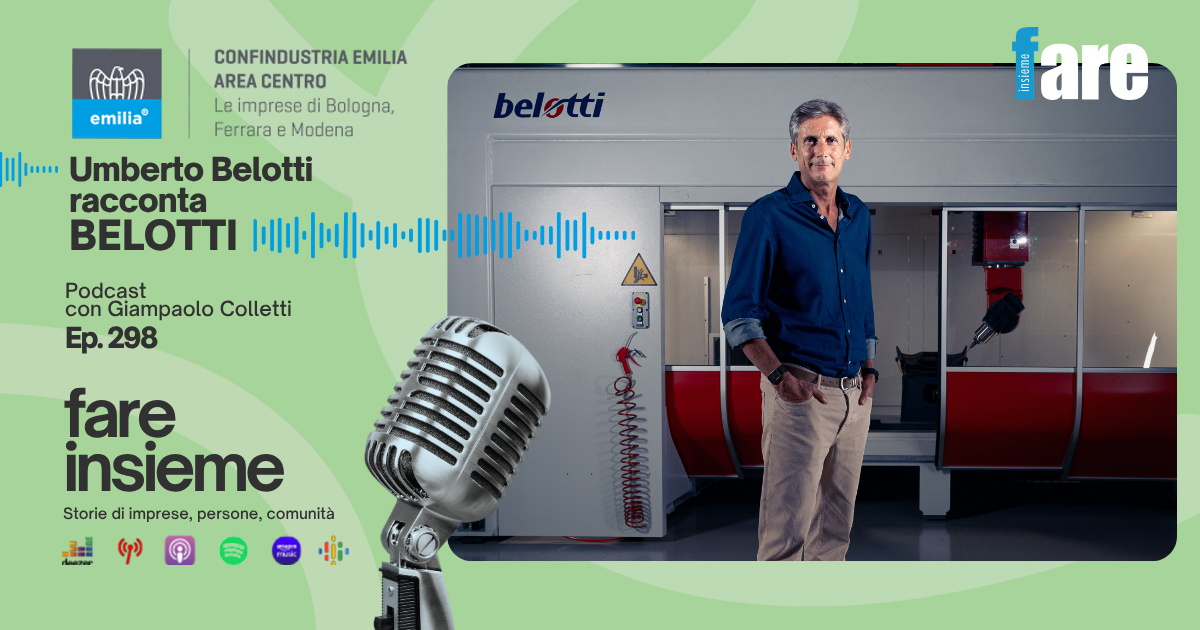
From a residents’ meeting to over 2,500 machining centres installed worldwide. The story of this Bergamo-based company - now also operating in the Modena area with a co-creation hub, spans plastics, carbon fibre, automotive, aerospace and robotics. Today, it boasts six locations, approximately 100 employees and a turnover of €32 million. For FARE INSIEME, Giampaolo Colletti interviewed Umberto Belotti
by Giampaolo Colletti
@gpcolletti
Photocredit: Giacomo Maestri e Francesca Aufiero
It all began with a name on a letterbox and a residents’ meeting. Bergamo, 1976. A neighbour spots the name Belotti on a letterbox, with the word “engineer” beside it. He makes a simple yet crucial connection: an engineer is someone who solves problems. An obvious conclusion. So, at a residents’ meeting, he asks Luciano Belotti if he could design a machine to trim the edges of thermoformed plastic components. His answer comes in the form of a machine built in his father’s garage. “Like almost every business success story, ours began with an opportunity that arose partly by chance. However, what makes the difference is an entrepreneur’s determination and courage to turn that opportunity into the beginning of something greater,” explains Umberto Belotti, the second generation now at the helm of the family business.
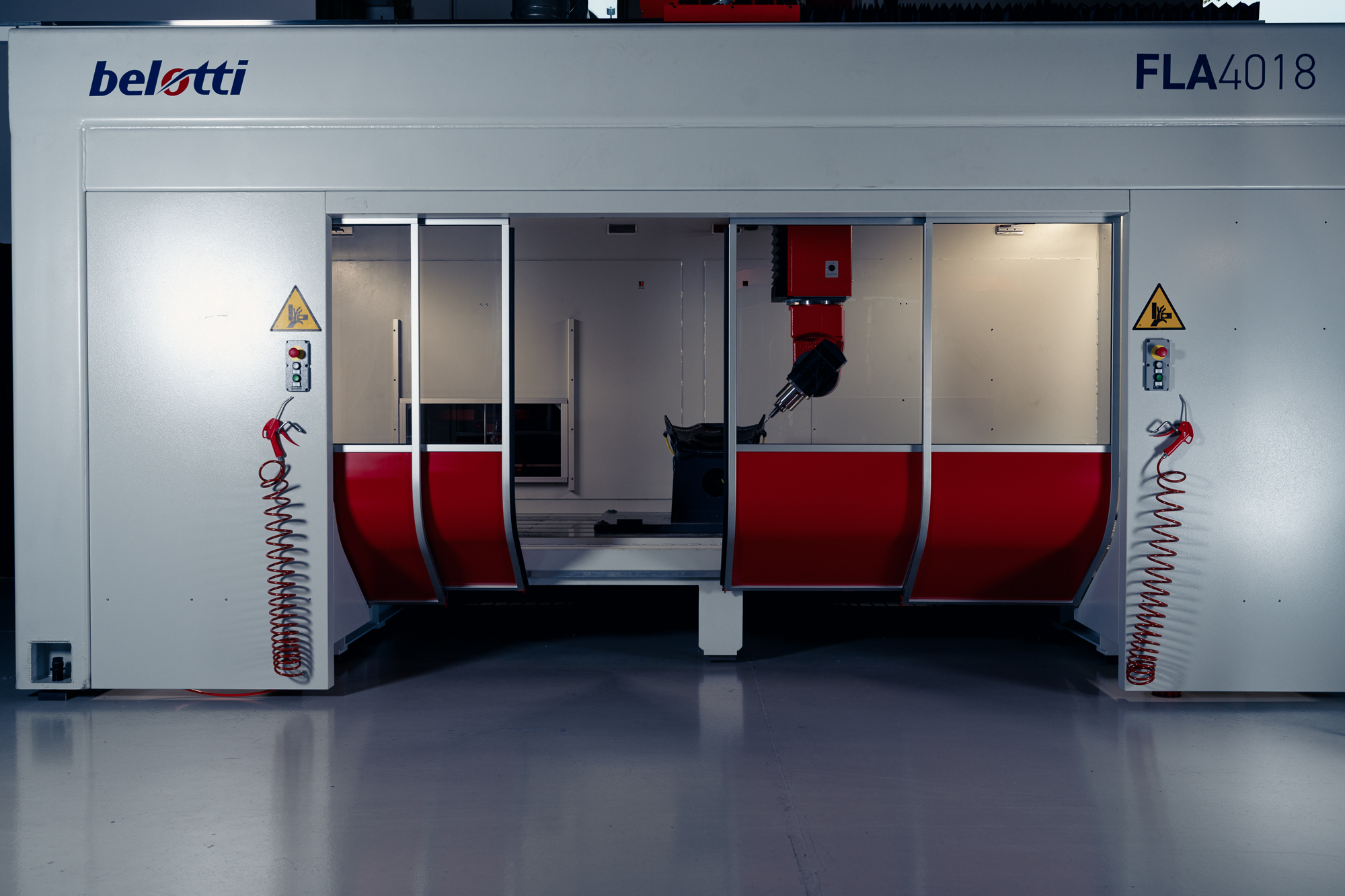
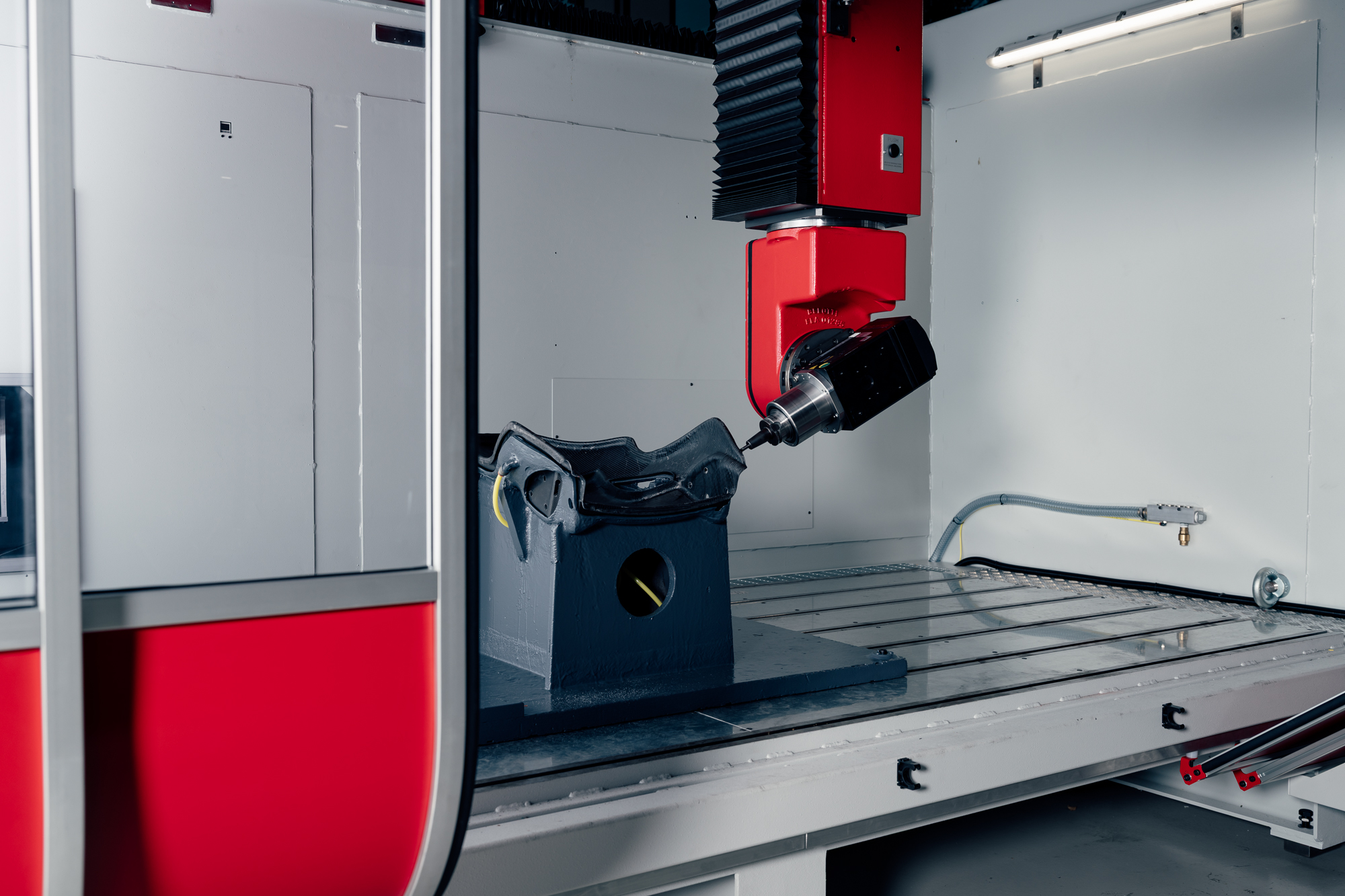
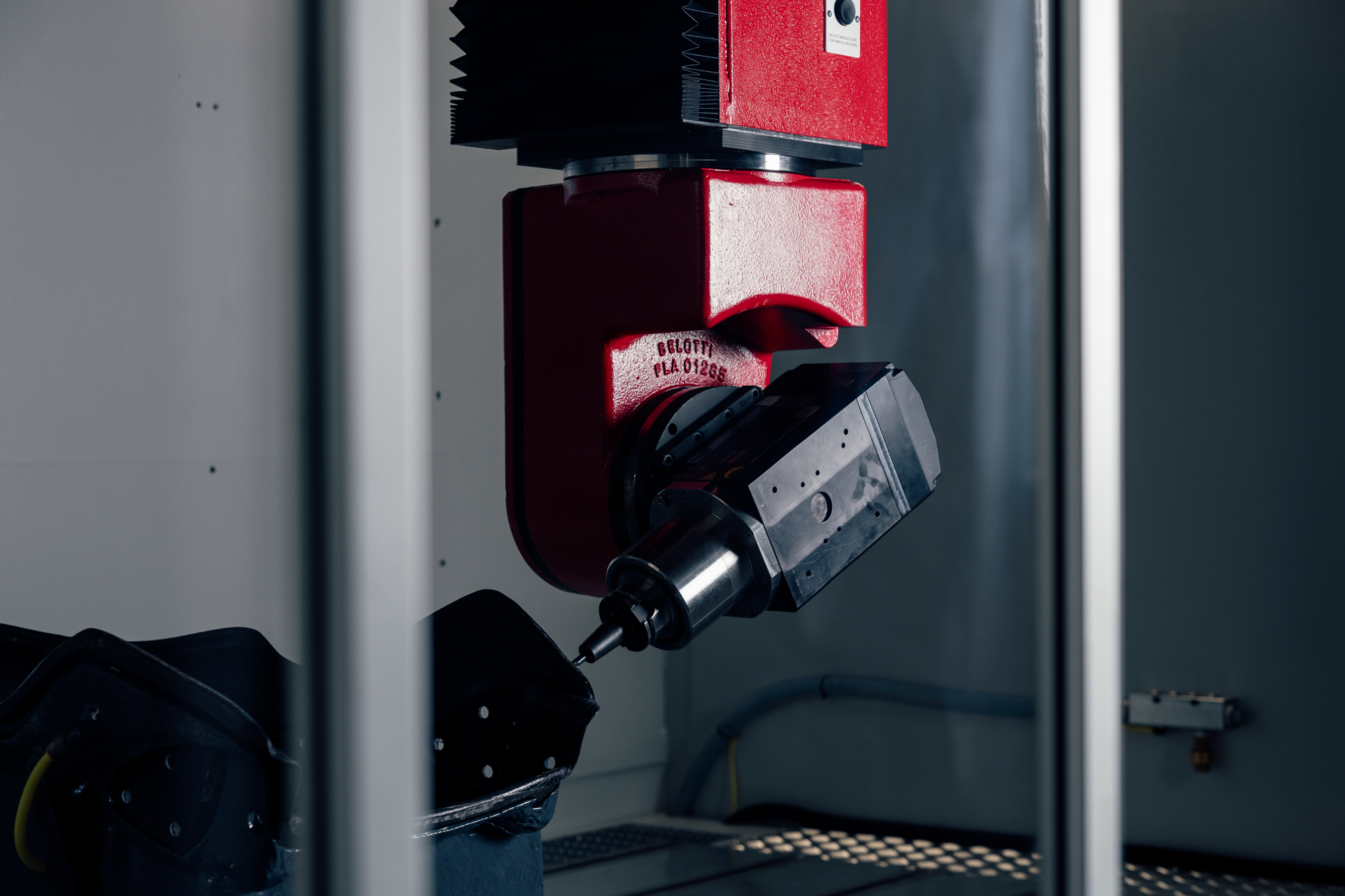
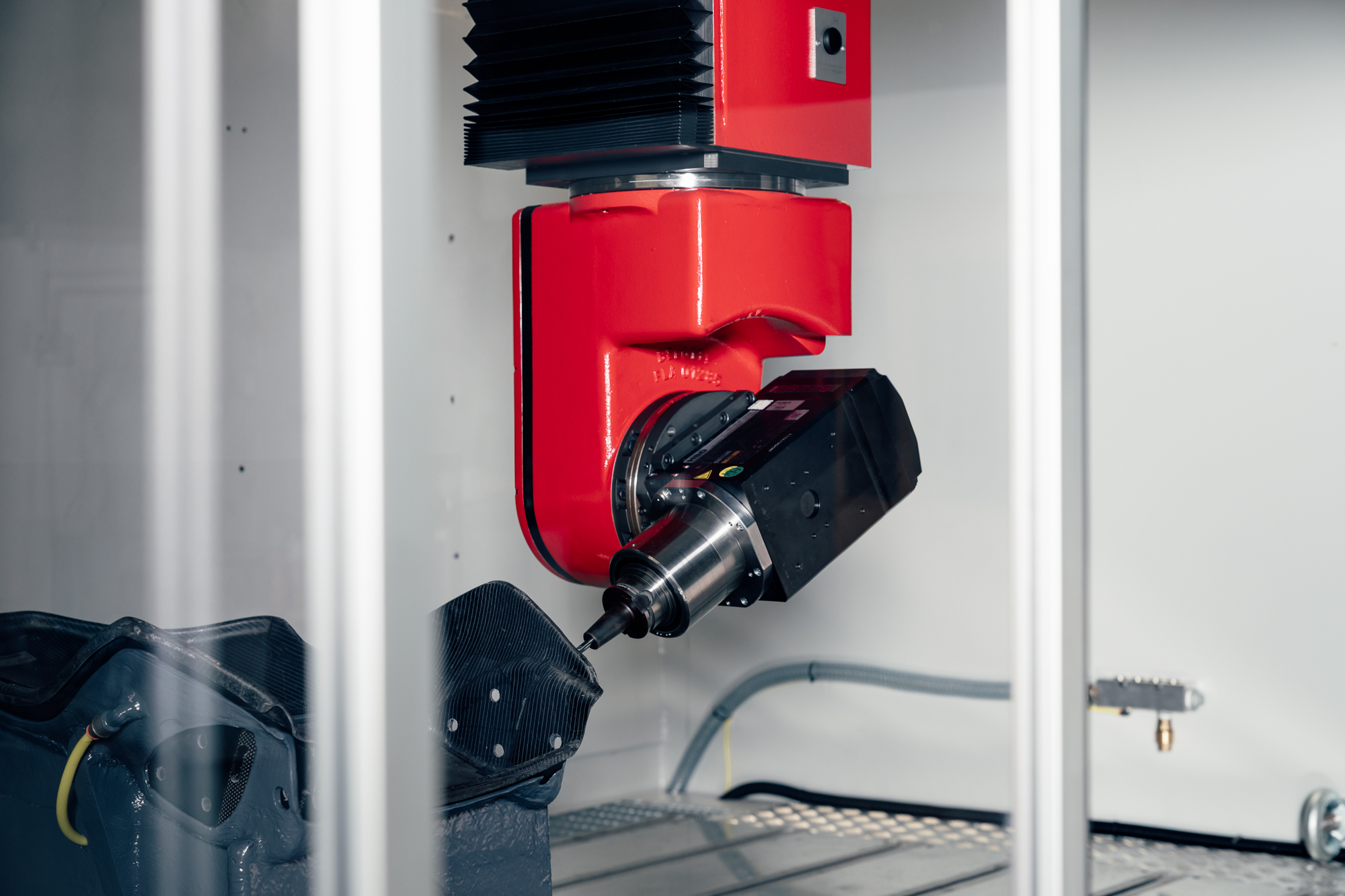
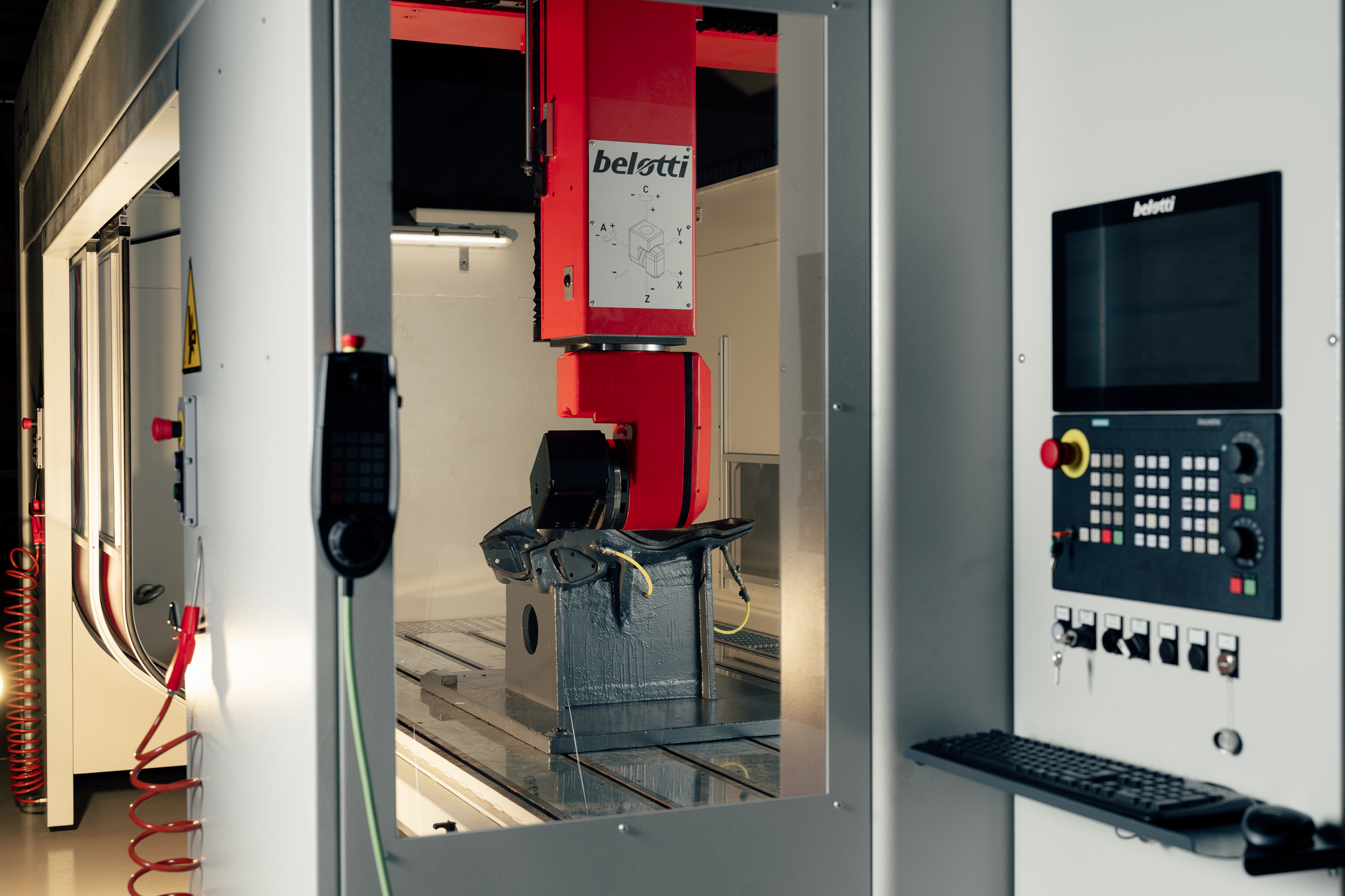
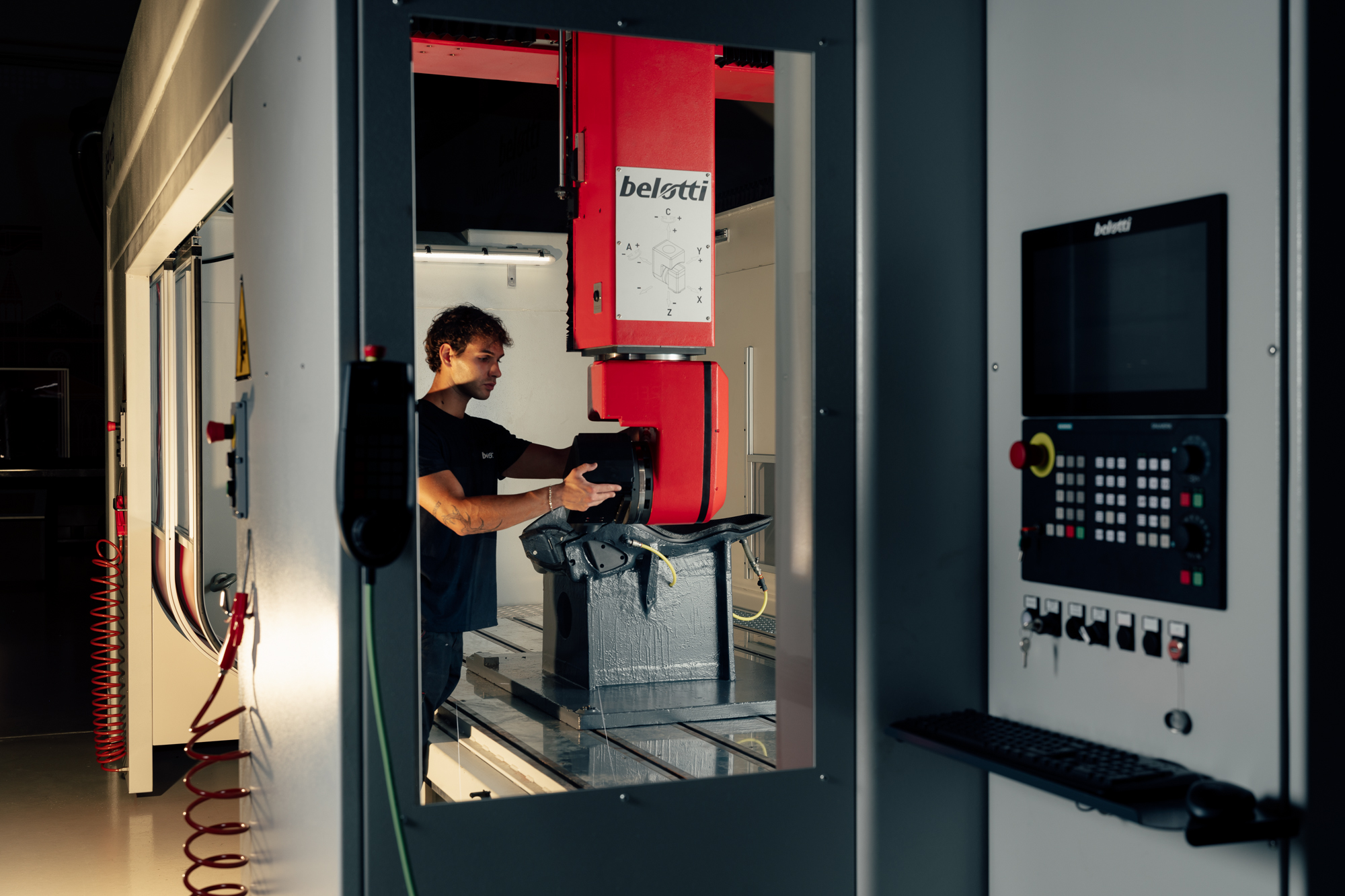
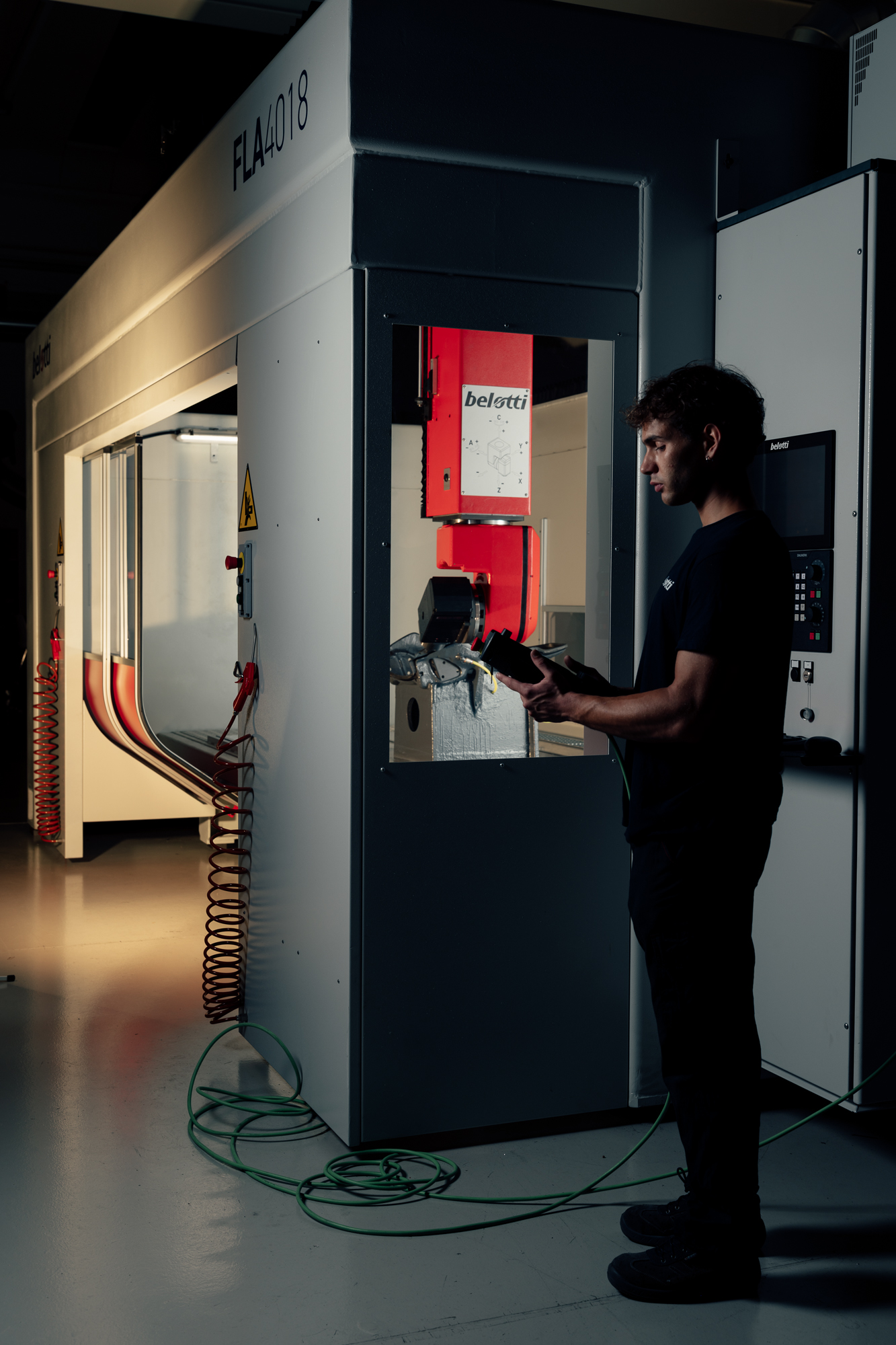
Company profile. Even at the age of three, Umberto was already familiar with the world of mechanical engineering. But it was never just about machines. “They were wonderful moments. It was life. My father looked beyond the product: whenever he met a customer, he took an interest in the person too,” Belotti recalls. Then came a scene straight out of a film. It was 1984–85. Umberto Belotti was still at primary school, and cartoons featuring robots were all the rage on television. Meanwhile, his father Luciano was transforming his first manually-operated plastic trimming machine into a programmable five-axis machining centre. He simply told his son: “I’m building a robot.” One Saturday, he decided to take Umberto to see it for himself. At the time, the company was still a workshop in Medolago, in the province of Bergamo. For the young boy, stepping inside meant finally seeing the robot he had heard so much about. That is also how a family business is passed down through the generations: before knowledge and expertise comes a sense of wonder. Fifty years later, that starting point has turned into an industrial journey spanning automotive, aerospace, marine, rail, motor sport, medical technology and energy. From a garage to outer space. Quite literally. What began in 1976 has grown into a company that now designs and manufactures CNC machining centres and integrated systems, primarily for machining advanced materials. Over the years, it has installed more than 2,500 machining centres worldwide. It operates from six locations around the world, employs approximately 100 people and recorded a turnover of €32 million in 2025. But the figures tell only part of the story. The rest is written in the technological transformations that followed. The company’s first trimming machine paved the way for the Belotti R05: its first five-axis CNC machining centre which would go on to become a benchmark in the thermo-forming industry. Then came composite materials, carbon fibre, Kevlar, super cars and motor sport. And even Ariane 5 and the VEGA rocket. Now, a new order is taking the company to even greater heights: Thales will use a Belotti machining centre to manufacture carbon-fibre components for satellites. In motor sport, meanwhile, the company’s technologies are used by manufacturers such as Dallara to produce carbon-fibre chassis.
Emilia as a laboratory. From Bergamo to Modena, and not by chance. It is here, in the heart of Emilia’s Motor Valley, that Belotti has opened its Innovation Hub: a space where the company works alongside customers and partners to experiment with materials, test technologies and explore new applications. Here, the company evaluates products and applications, conducts tests alongside customers and develops new solutions. Not simply a showroom, but a hub for continuous experimentation. An ecosystem in which automotive, motor sport, advanced engineering and composite materials constantly influence and enrich one another. “It’s impossible to innovate by sitting alone in your office, isolated from everyone else. Innovation comes from sharing ideas and exchanging views with customers, suppliers and technicians,” explains Umberto Belotti. One example is CPC in Modena, for which Belotti has installed a production line comprising fifteen CNC machining centres dedicated to processing carbon-fibre components. Here, the local industrial ecosystem becomes an integral part of the innovation process.
The thinking factory. However, to truly understand Belotti, we need to return to a word that crops up repeatedly in Umberto Belotti’s account: fear. Not the kind that paralyses, but the kind that prevents you from standing still. “The driving force behind innovation is, first and foremost, the fear of being left behind. I mean fear in the positive sense of the word, the kind that pushes you to act, to improve and to keep pushing forward.” Then there is the attention to detail, almost an obsession with getting everything right. And finally, passion, which is essential for overcoming the inevitable challenges involved in developing new technologies. Once again, the words of the company’s founder come to mind. “My father always told me never to leave a problem unresolved. If you leave a problem unresolved, sooner or later you’ll pay the price, both financially and psychologically,” Belotti recalls. Over the past fifty years, not only have the machines evolved, but so has the company itself. Meanwhile, the boundaries of machine-tool technology have also expanded. Steel, motors, bearings, gearboxes and spindles are still at the heart of the machines, but they are now complemented by a whole ecosystem of software, automation and robotics. Customers no longer simply ask for a machine: they want a solution. Nine years ago, this led to the establishment of the Belotti Robotic Automation division, partly in response to a request from Lamborghini. Machining centres and articulated robots began working together within integrated technological platforms. Manufacturing is shifting its focus from individual machines to integrated systems. “Innovation comes from sharing ideas and exchanging views with customers, suppliers, technicians and everyone involved in the process day after day,” Belotti concludes.
Materials change, machines evolve, and entire industries are transformed. Yet the idea that first took shape in a garage lives on, along with the belief that innovation means never giving up on finding solutions.
https://podcast.confindustriaemilia.it/
Read the other interviews