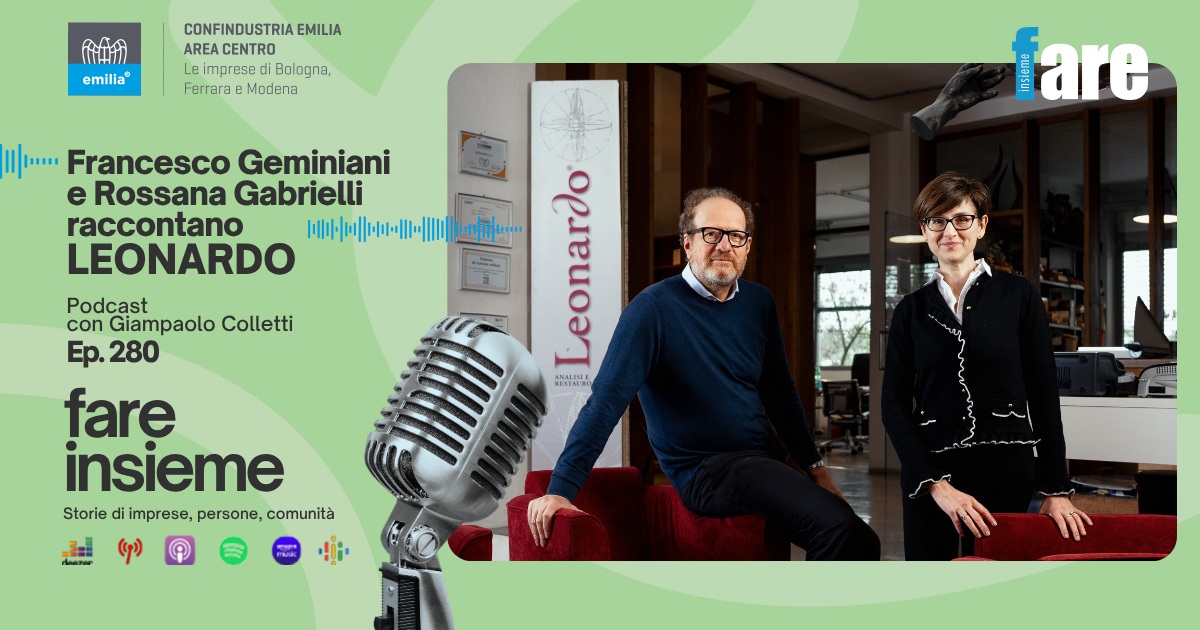
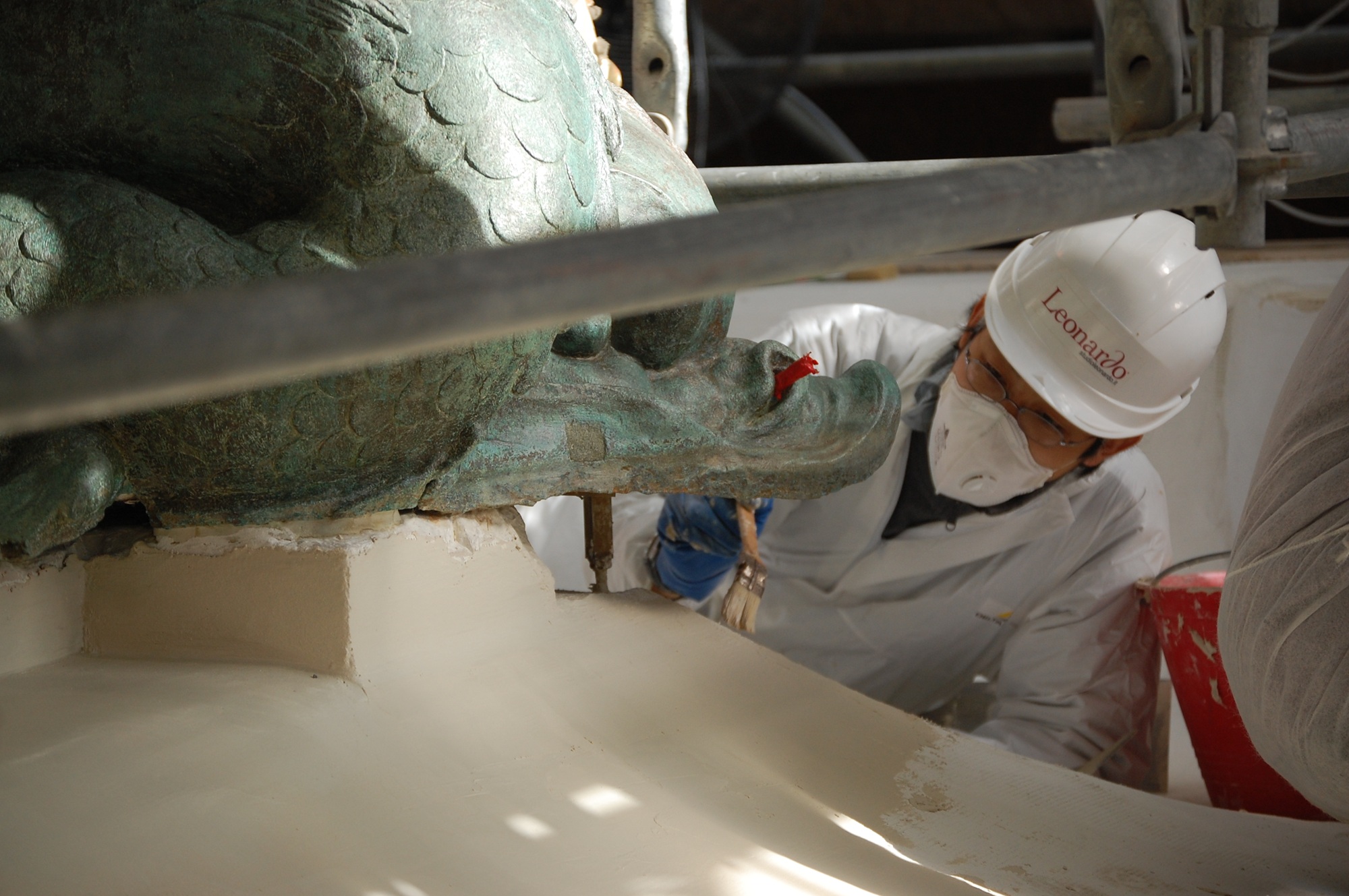
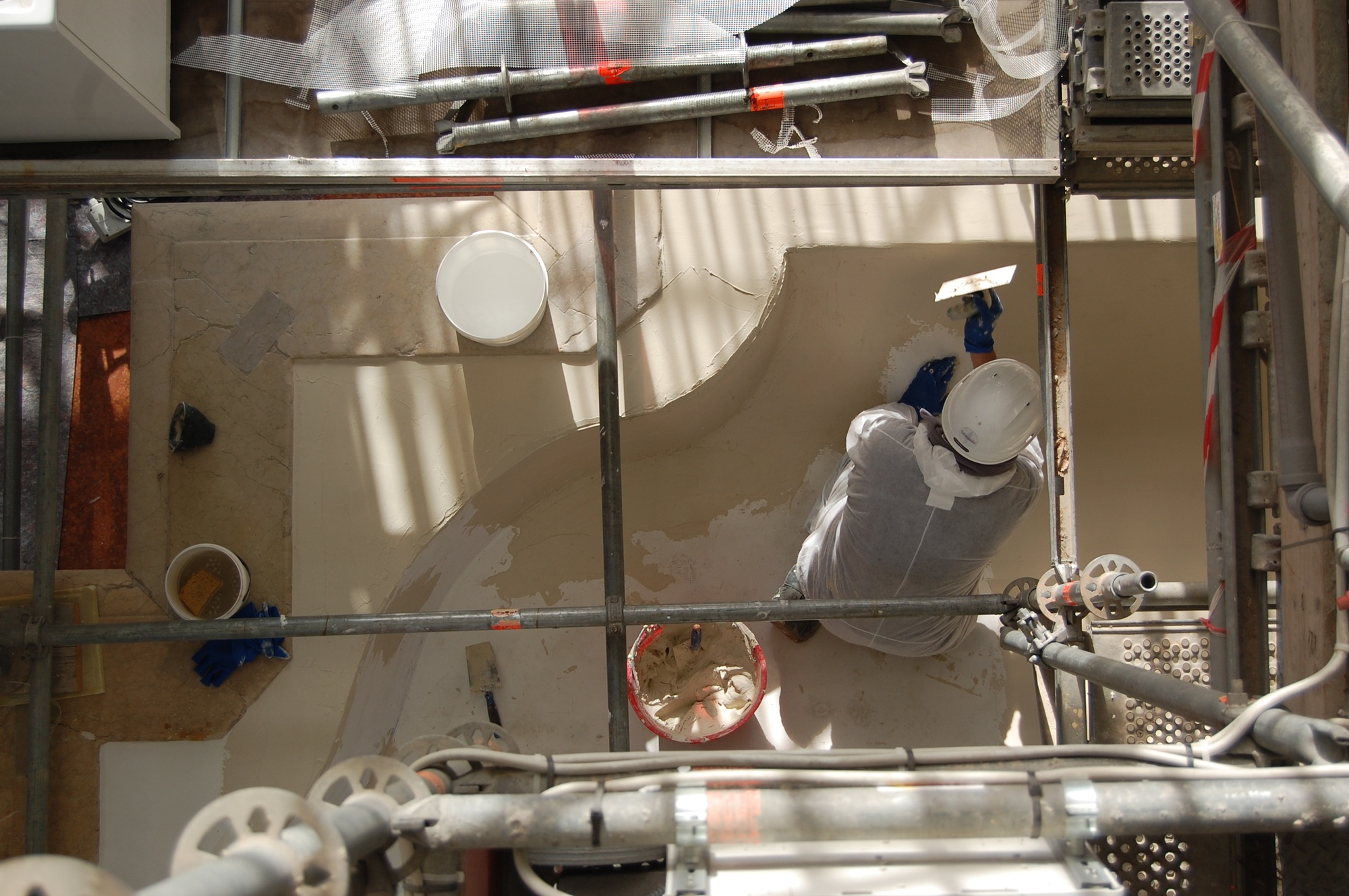
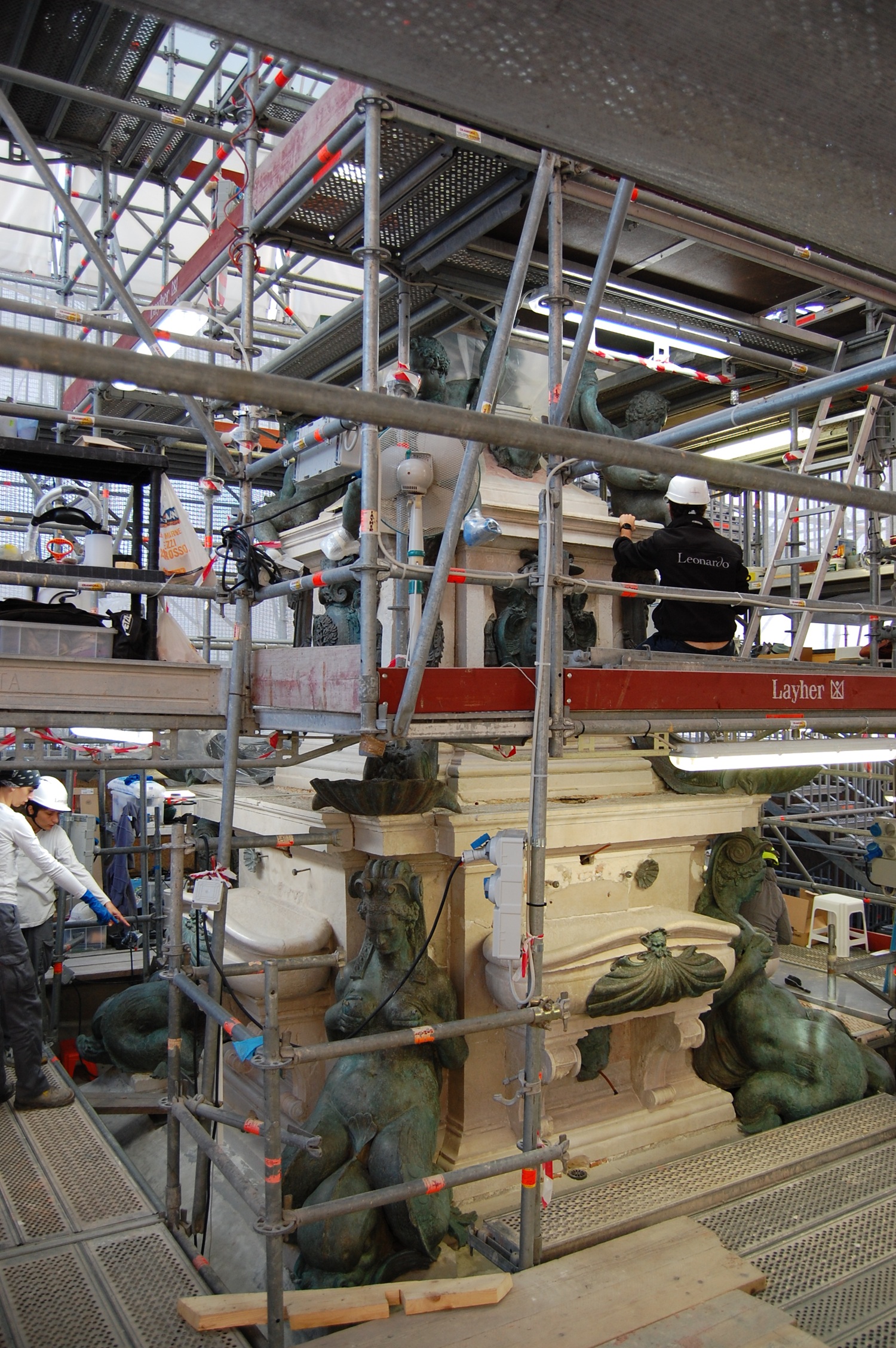
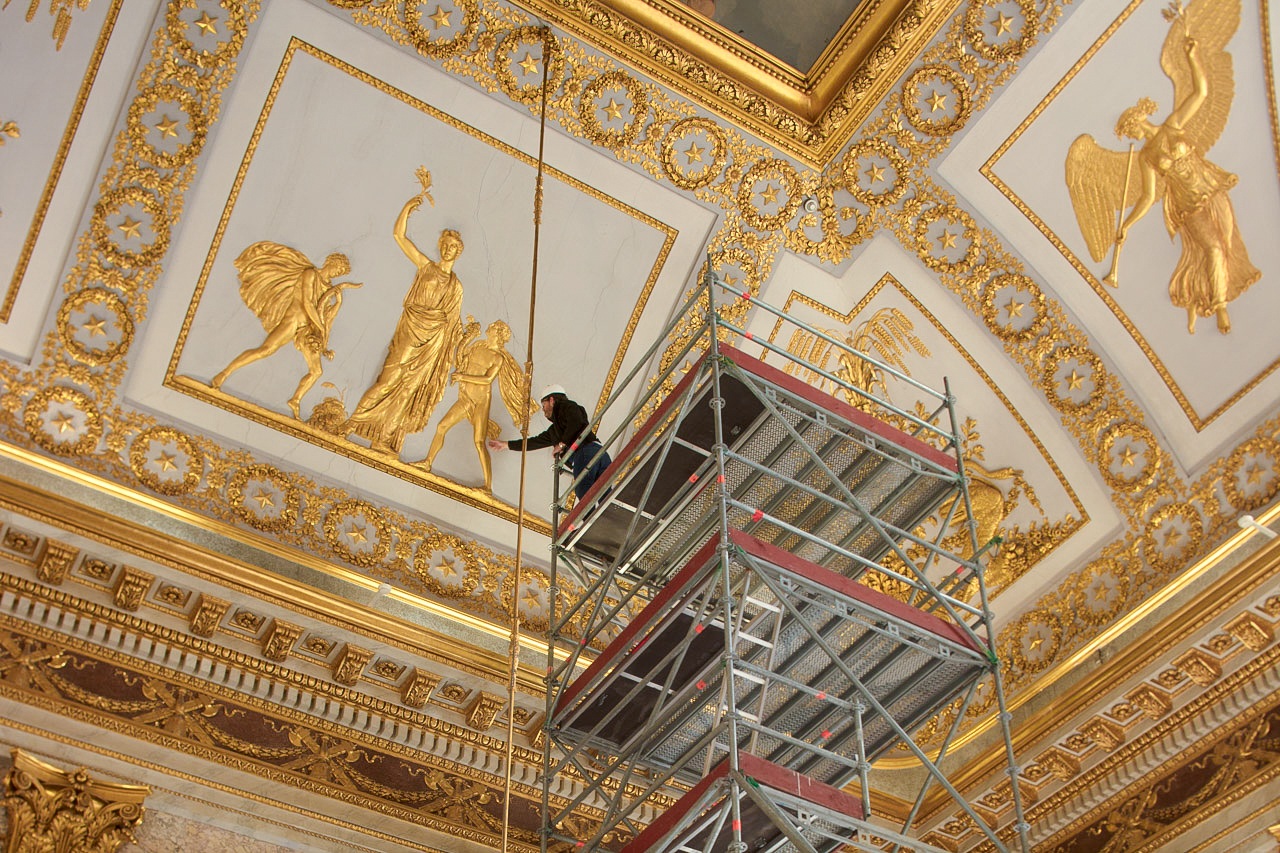
A dissertation that turned into a business. A brilliant intuition that became a method. This is the story of Leonardo, a company based in Casalecchio di Reno with sites in Italy and abroad that restores heritage and community to become an interdisciplinary workshop. For FARE INSIEME, Giampaolo Colletti interviews Rossana Gabrielli and Francesco Geminiani.
by Giampaolo Colletti
@gpcolletti
Photocredit: Giacomo Maestri and Francesca Aufiero
There are companies that are set up based on a business plan. Then there are companies born from an intuition, a combination of different skills and a certain way of considering work as a shared responsibility. Leonardo - a company located in Casalecchio di Reno, in the heart of the Bologna productive ecosystem - belongs to the second category. It is a project that, over time, turned into a system, method and corporate culture. An actual story where science and craftsmanship, research and construction sites, people and heritage are in constant dialogue.
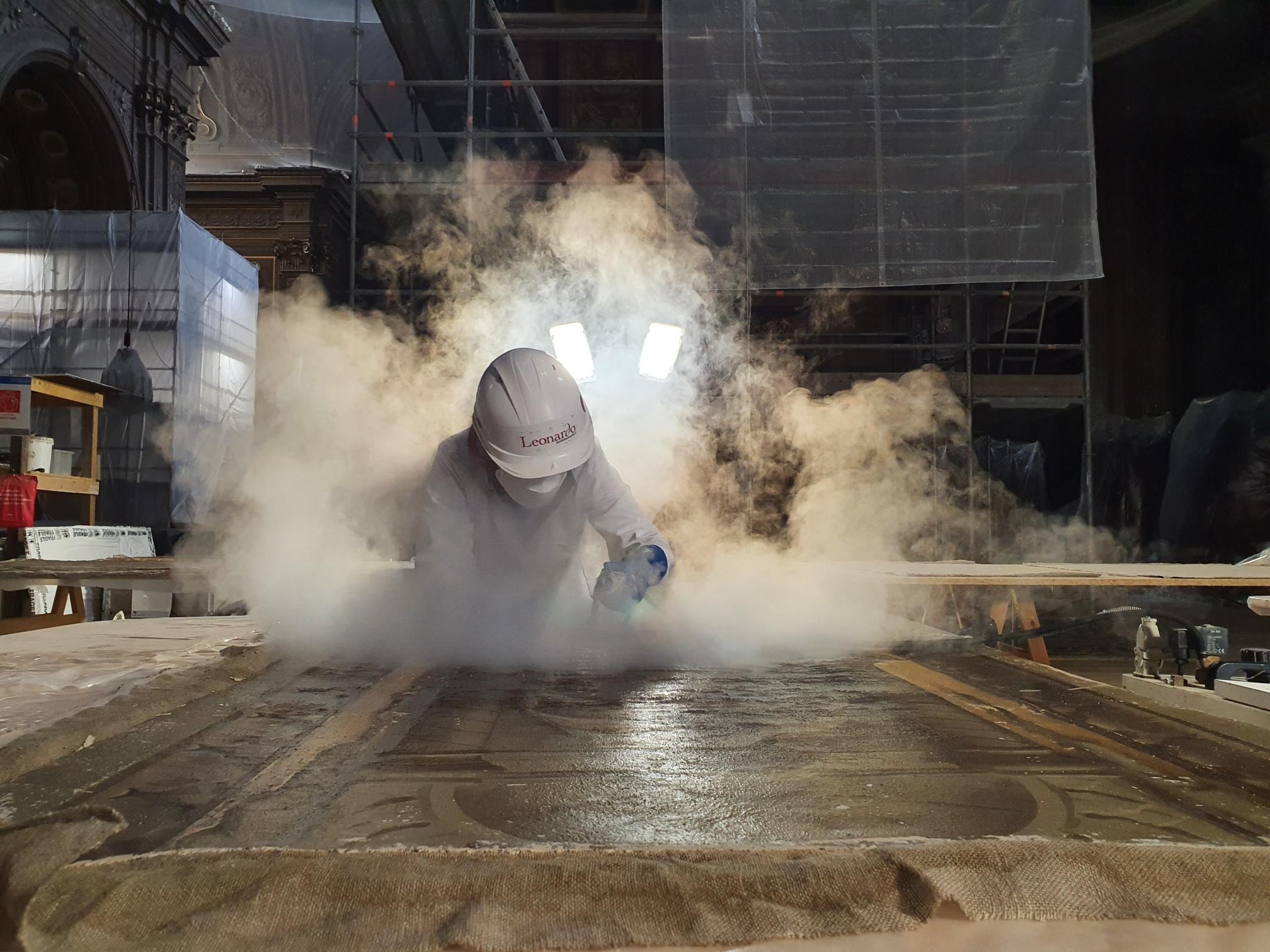
The beginning. Everything started almost by chance. Or maybe not. Because behind things that start off by chance, there is always a will to do something that takes up more and more space. “Actually, everything started off from a job that ended up not being done and from an idea that took its place instead,” recall the two founders as they retrace the history of the company, which was officially set up in 2000 but whose idea emerged the year before as part of a university dissertation. On the one hand, we have Rossana Gabrielli, a 54 year old from Marche who moved to Bologna, who studied Medieval Archaeology in Bologna and Pisa with many academic collaborations. On the other hand, we have Francesco Geminiani, a restorer from Bologna who discovered his vocation as he was almost struck by it.He found out about a restoration course one summer and was immediately captivated. The following year, he moved to Florence to study and became a cultural heritage restorer. These are two different journeys, yet with a shared vision, i.e. combining scientific analysis and operational intervention. This is not just some mere detail, but the DNA of the company. “We combined diagnosis and care, analysis and craftsmanship, knowledge of the asset and of what to do in the field,” explains Gabrielli. Over time, this approach turned into an integrated chain where workshop, diagnostics and restoration communicate with one another just like a medical team would.
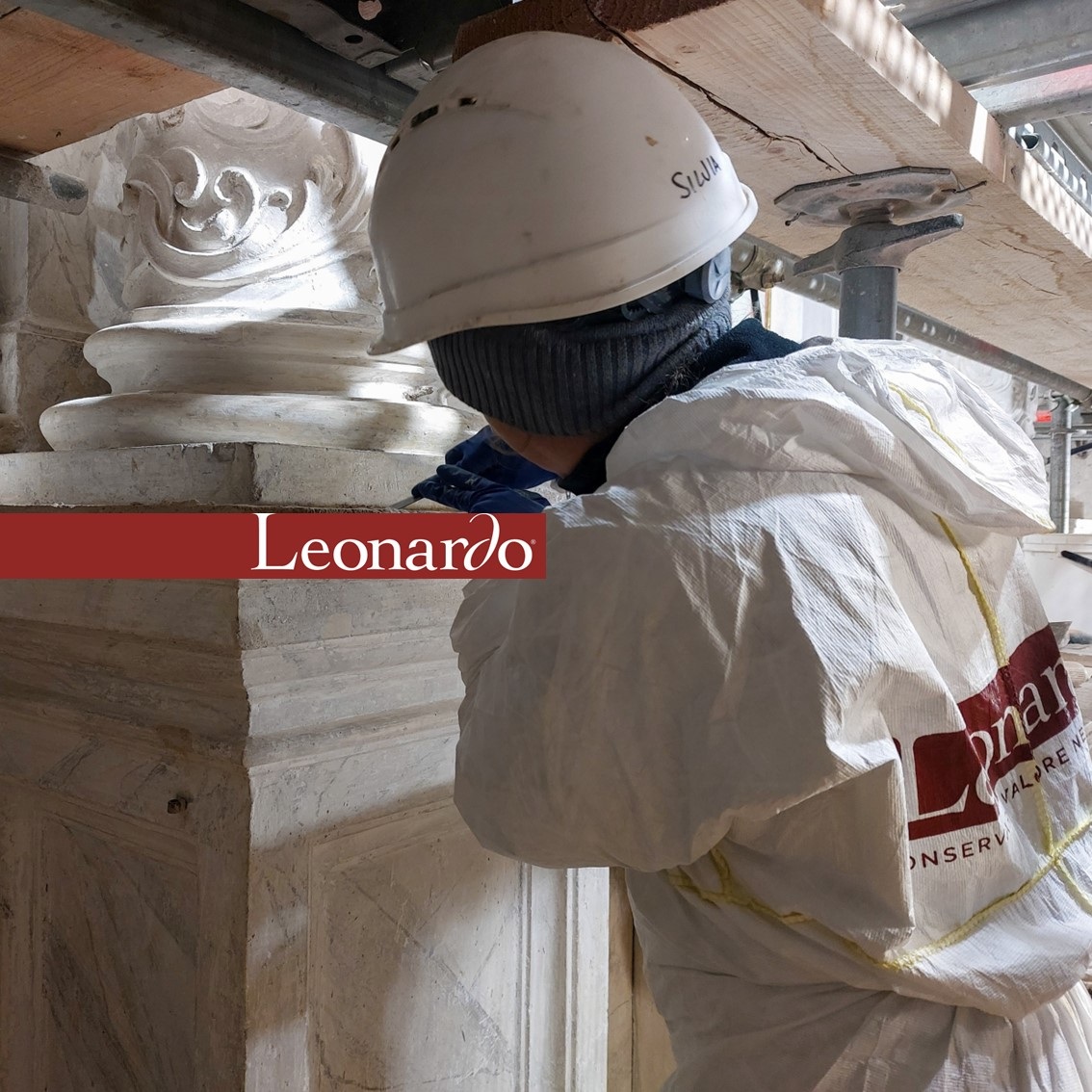
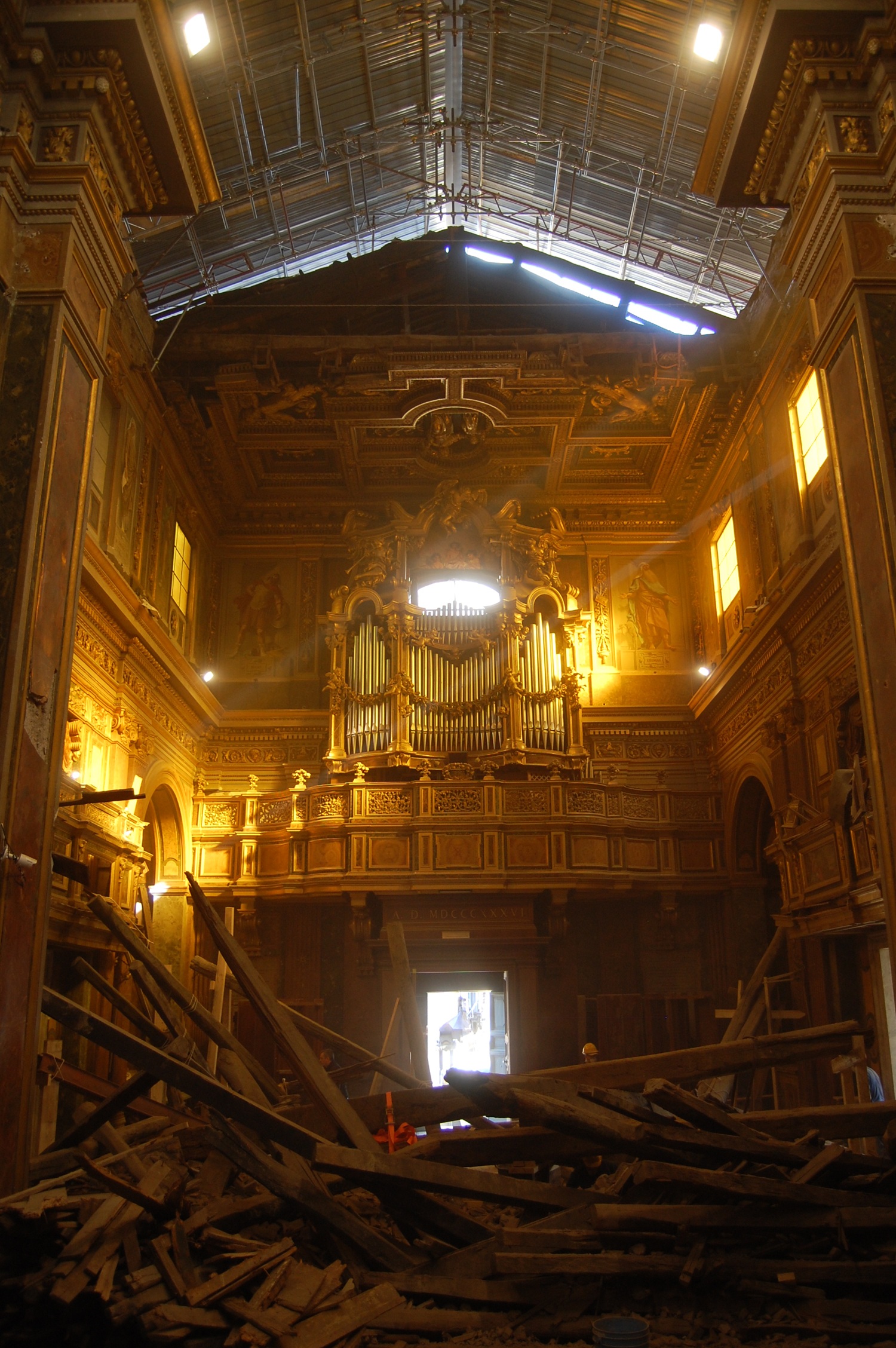
Company profile. Today, Leonardo operates on sites located all over Italy, Europe and North-America with a diverse team made up of technicians, restorers, material analysts and architectural reinforcement specialists. The most recent and significant events include those on large church buildings such as the Duomo di Firenze, the Duomo di Siena Oratory, Basilica di San Domenico in Bologna, Basilica di San Petronio in Bologna, as well as the columns of the Cathedral in Ferrara. Then there is the stabilisation and restoration of the Basilica di Tolentino and the Ferrara Cathedral bell tower after the earthquake, not to mention the work carried out at the Archivio Centrale di Stato in Rome, at the Mosque in Istanbul and at the Jefferson Memorial in Washington DC.
What stands out is the philosophy behind the work. “We always try to provide an answer to a need: we understand the problem first, then we find the solution,” explains Gabrielli. This is a typically Emilian way of doing things - pragmatic, cooperative and result-oriented yet rooted in the culture of doing well. It is not by chance that the company defines itself as an interdisciplinary cultural lab rather than just a restoration company, as technical, scientific and planning skills dialogue every day to face complex contexts and assets of an incredibly high historic and symbolic value. Their jargon is telling.
Works and values. The mission is to preserve value over time, as every project combines historic-architectural knowledge, engineering, analysis of materials, advanced diagnostic techniques, emergency management and sustainable conservation strategies. “We believe sites are opportunities to experiment in the field and we collaborate with universities and research centres both in Italy and abroad. The value is represented by the authenticity of the material we try to preserve, guaranteeing the preservation of works of art and the architecture over time,” says Geminiani. A value that extends to communities - because preserving a historic building means preserving a memory, identity and a sense of belonging. And it means doing so with sustainable methods, by reducing environmental impact and energy consumption also through internal protocols such as “Restauro Verde®”, which was already developed in 2009.But what characterises the company remains its teamwork. It is not just something they say, but something they put it into practice every day. Even the traditional hierarchy is often overcome in favour of collaboration, meaning work becomes an ecosystem. Archaeologists, engineers, architects and restorers work together following a simple yet radical principle. Because people are the heart. Bologna and its metropolitan area remain the identity hub, while the sites multiply and their reputation grows even beyond the national territory. It is a model typical of Emilian companies - they are open to the world yet with profound local roots for skills that travel while the values remain set.
https://podcast.confindustriaemilia.it/
Read the other interviews