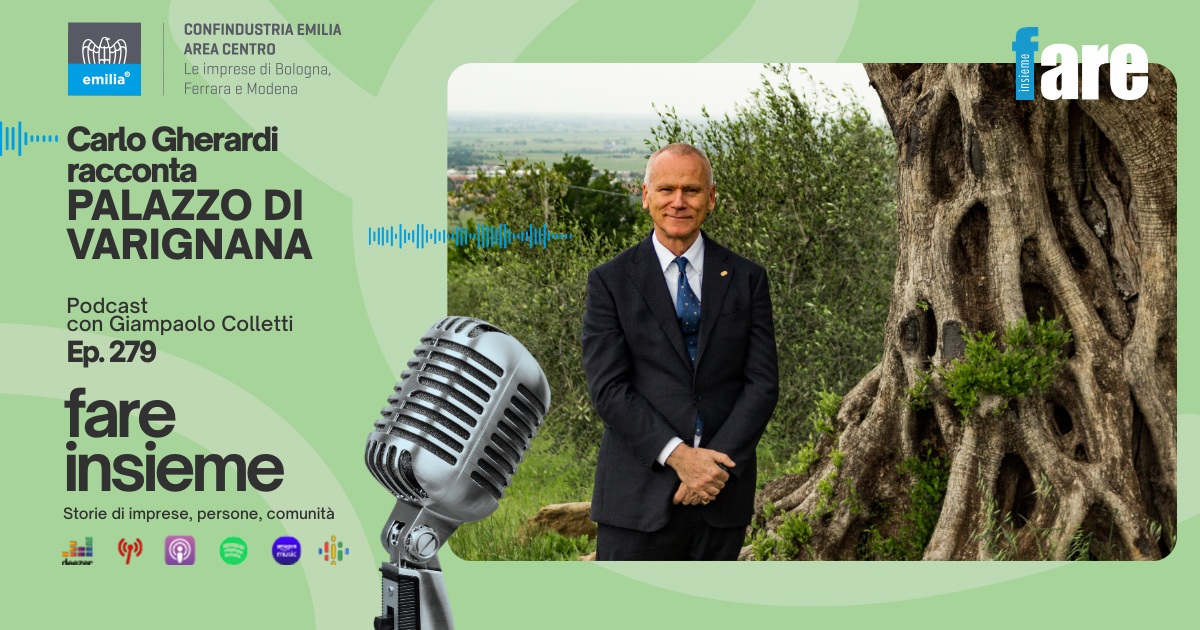
Palazzo Varignana in the Bologna hills between Emilia and Romagna stands out as an evolved model of ‘scattered’ hospitality that combines a resort, agriculture, wellness facilities and culture within a single territory. From the renovation of Palazzo Bentivoglio and the agricultural chain of the property farms, down to longevity programmes and a structured approach to sustainability. The project stems from a long-term entrepreneurial vision devised to generate value for the territory over time. For FARE INSIEME, Giampaolo Colletti interviewed Carlo Gherardi, the founder and soul of Palazzo di Varignana
by Giampaolo Colletti
@gpcolletti
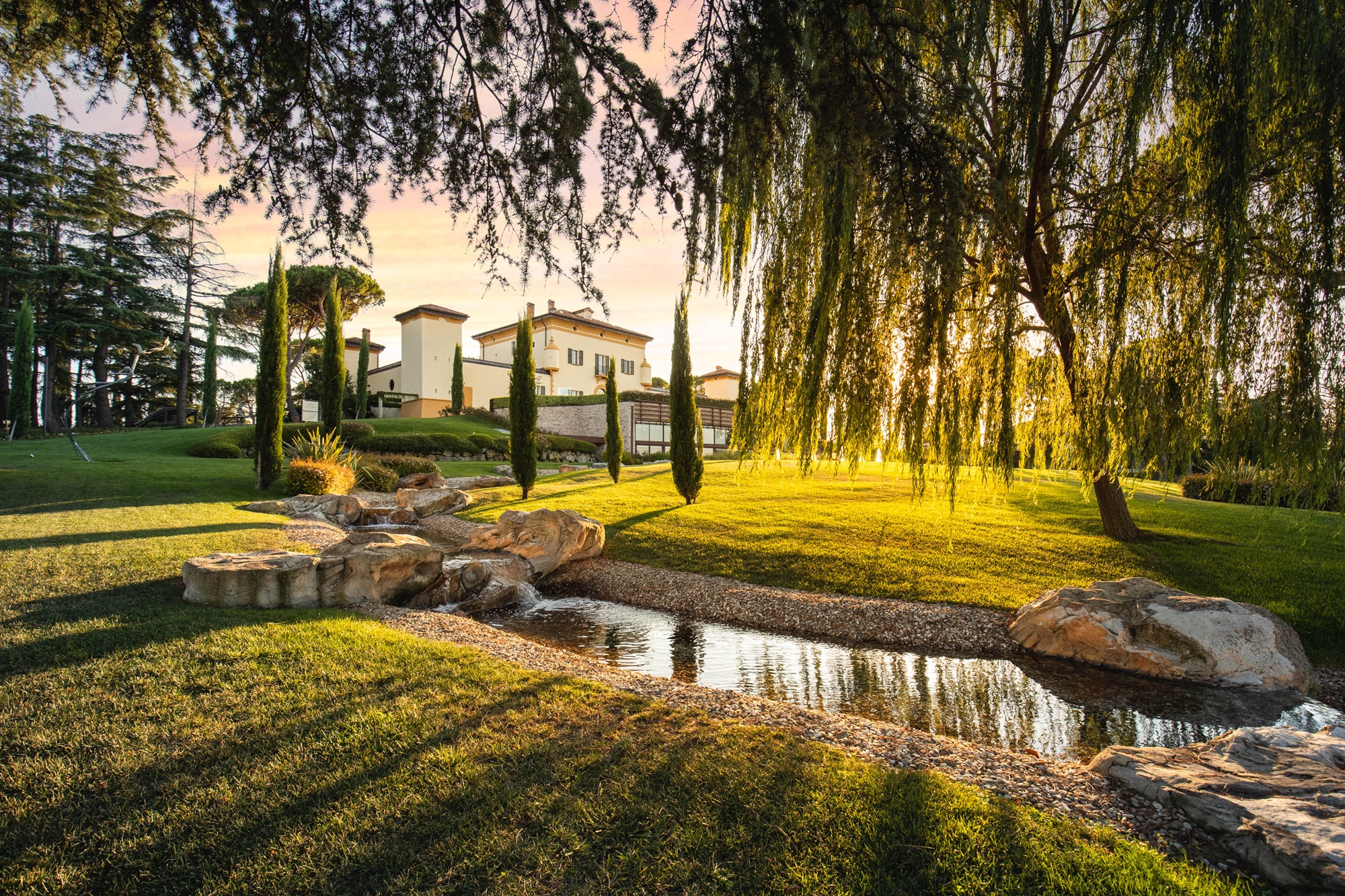
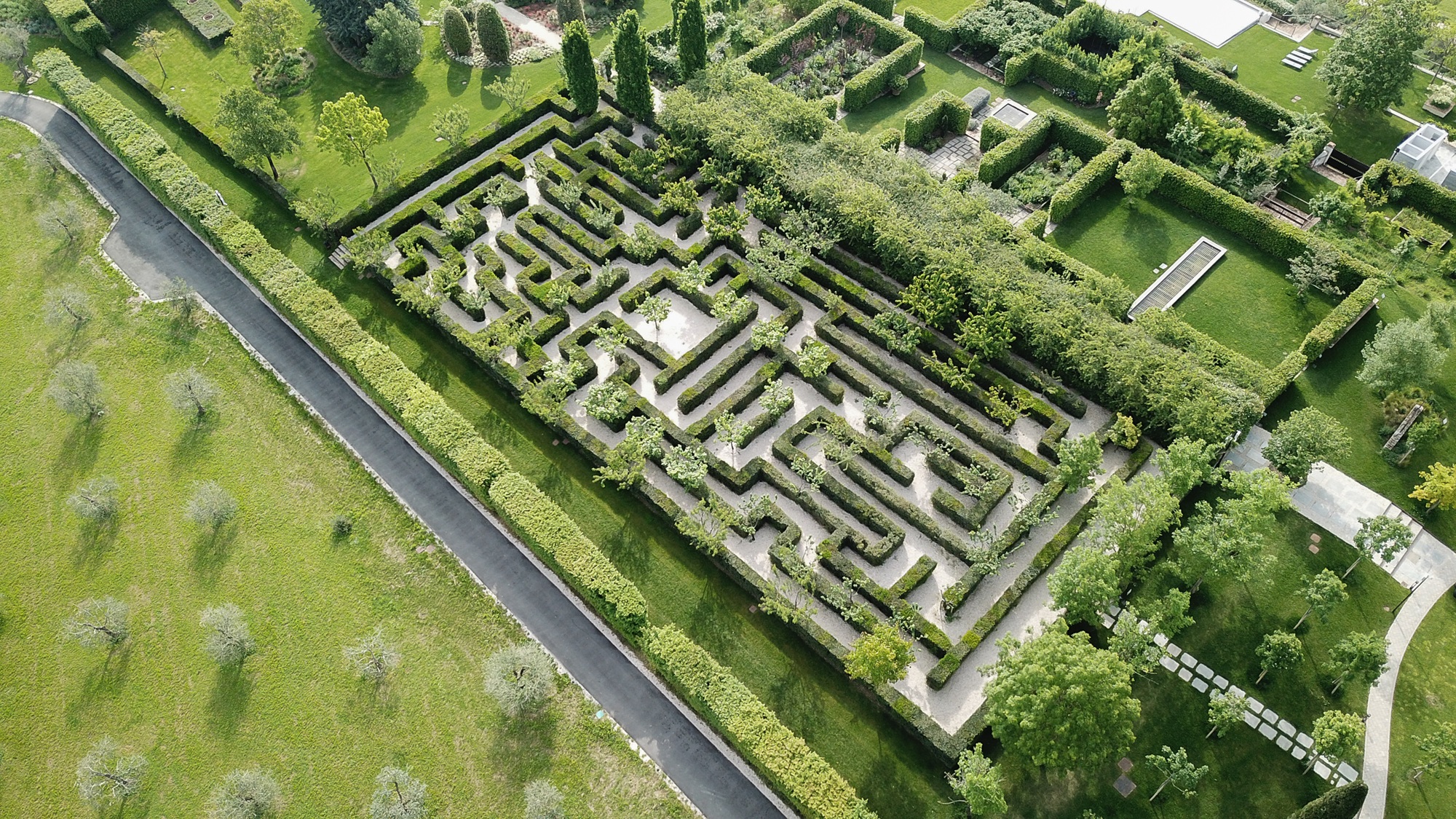
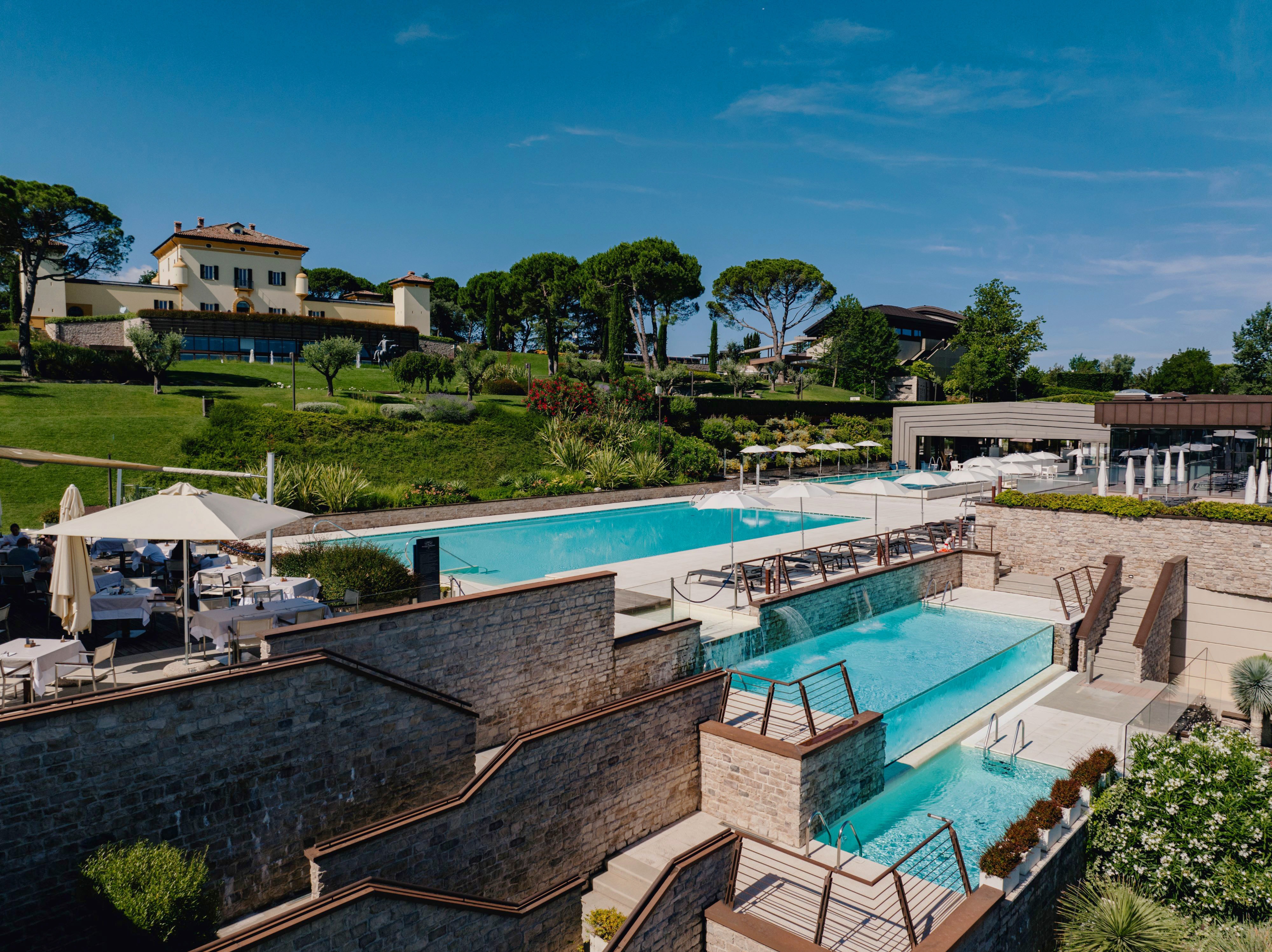
In the Bologna hills, we find a place that is not just a hotel. It regenerates. It welcomes. And, most of all, it reinstates the value of what it inherits. Palazzo di Varignana overlooks the territory it is named after like a kind sentinel nestled between memory and the present age. It is located in the Castel San Pietro Terme municipality, around 30 minutes from Bologna, surrounded by the gentle Emilian hills that slowly merge into Romagna among vineyards, olive groves and historic towns. It looks towards the plain but, at the same time, it is in dialogue with the Apennines - a middle ground where the countryside, the food&wine culture and the Emilian rural tradition become a project. A place deeply rooted in the hilly landscape where the entrepreneurial vision combines with long-term objectives. The heart of the project is Palazzo Bentivoglio, a 1705 country residence boasting four towers, brought back to its original splendour thanks to a careful and respectful restoration that was not just a renovation, but a gesture of responsibility towards the future by giving back the identity to a piece of historic heritage so that it could continue to generate value. In its surroundings, we find not just a resort but an ecosystem - thirty hectares of nature, ornamental gardens, integrated architecture and a clear vision of territorial development. Here, hospitality is much more than a service, it becomes a system. “Palazzo di Varignana was launched as a long-term project going beyond the traditional concept of hospitality. Right from the start, the objective was to create a place capable of integrating hospitality, wellness, nature, agriculture, food, sports, culture and the corporate world into a single coherent vision,” illustrates Carlo Gherardi, the founder and soul of Palazzo di Varignana. This goal turned the compound into an experiential platform where spaces, people and skills are in continuous dialogue. It is not an isolated location, but an organism that is alive and that contributes to caring for the landscape and the local community.
Company profile. The DNA is rooted in both the culture of Italian hospitality and the deep connection with the land. But the key is in the balance between memory and project, between what was and what could be. “History is not dealt with as a decorative framework, but as a structure that is alive and that can dialogue with contemporary architecture, wellness programmes, landscape management and immersive experiences,” says Gherardi. The past does not crystallise, it becomes an active presence with continuity and an identity that evolves. A change of paradigm emerges as you walk through the rooms, the villas created from old barns, the restaurants and wellness facilities: the value does not reside in a single service, but in the entire ecosystem. “This approach emerged as we observed how hospitality, agriculture, well-being, food and nature did not work as separate elements, but as parts of a single experiential system,” stresses Gherardi. A system built to last, capable of adapting over time without losing its cohesion.
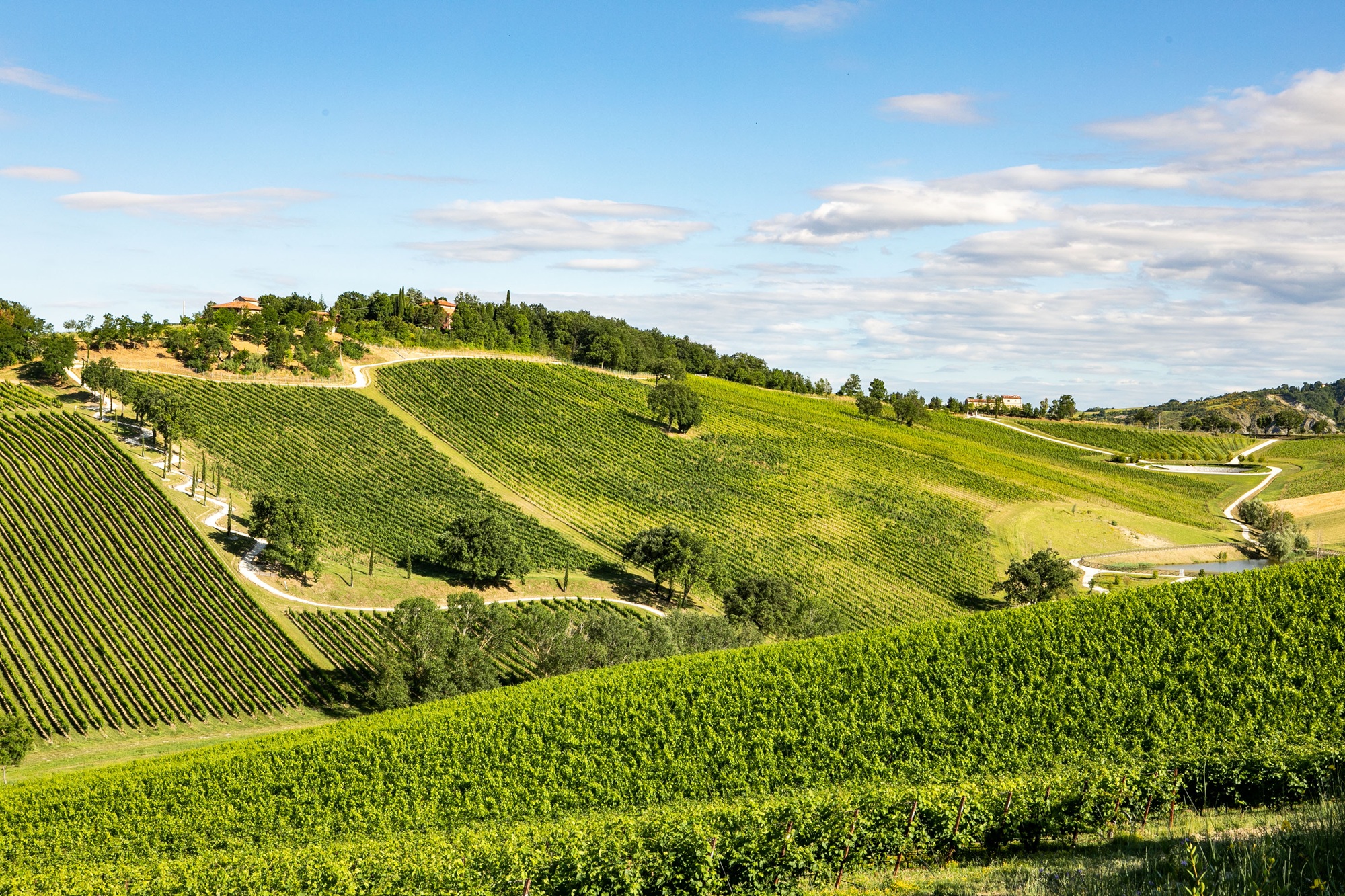
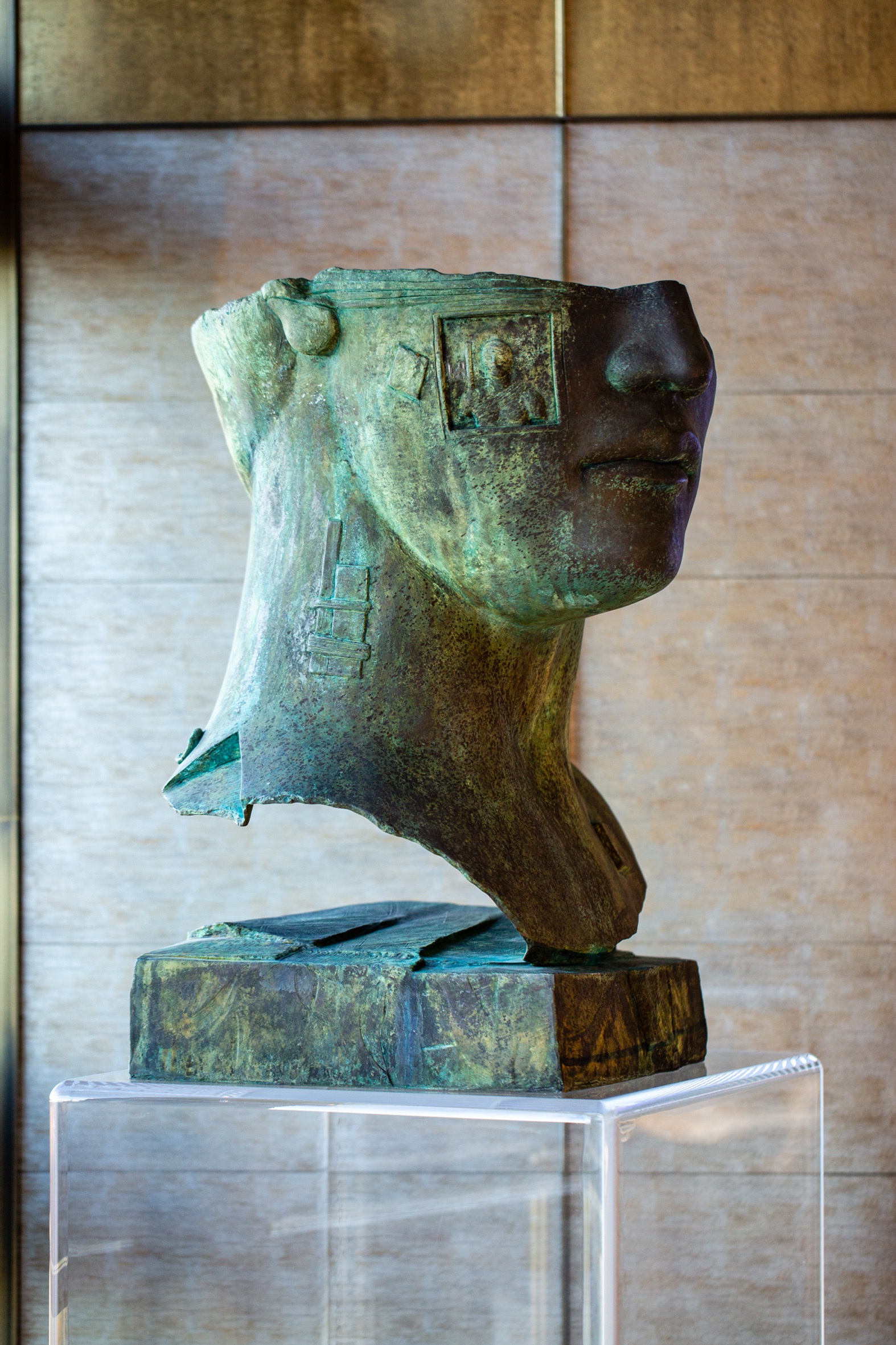
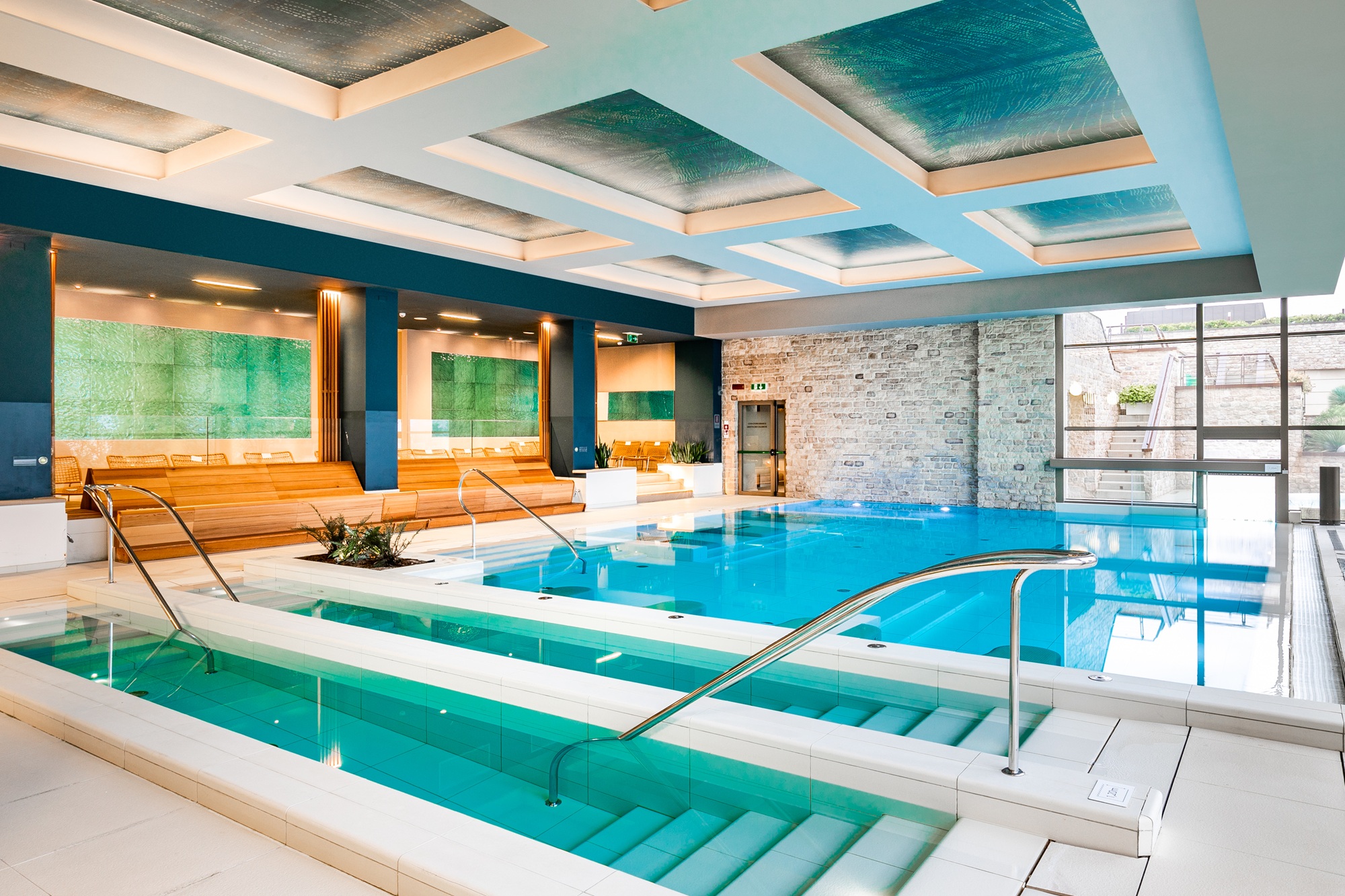
Land and people. In this story, land is not the background but the protagonist. With Agrivar, the farm set up in 2015, and the later creation of the two Ca’ Masino and Torre Cavina farms, Palazzo di Varignana chose to invest in agriculture as a pillar of its project. It is a circular model that involves over 700 hectares of olive groves, vineyards, crops and orchards. The olive grove alone covers 265 hectares - the largest in the region - with over 195,000 trees producing extra-virgin olive oil that received awards on an international level. This estate represents an actual productive and cultural heritage thought up for future generations. An idea of wellness was developed around it that goes beyond the traditional concept of relaxation. The over 4,000 sq m of Varsana SPA and the Health&Wellness Retreats based on the Acquaviva Method tell the tale of an integrated approach made up of functional nutrition, movement, rest and stress management. Well-being that does not just end with the stay, but that leaves you with tools and awareness for use over time. The picture is completed with the artworks distributed throughout the indoor and outdoor spaces, in constant dialogue with the architecture and the scenery. Environmental certifications, a responsible management of resources, gender equality and inclusion become the levers of a business model that integrates environment, people and governance. “To us, sustainability is a structural choice. It means caring for the environment, the people and the territory with all our decisions. A complex project can exist only if the people share values, vision and accountability for the future,” Gherardi points out. Looking forward, the path is clear: to consolidate a ‘scattered’ hospitality model where nature, wellness, agriculture and culture are in harmonious dialogue. “Ever, the Destination Concierge created to lead guests to discover the territory, thereby expanding their experience beyond the resort, forms part of this path, as the objective is to create authentic and lasting connections between people, places and identities,” concludes Gherardi. This is where hospitality becomes our essence: the engine of a widespread regeneration capable of transforming the inheritance received into a shared value for the future.
https://podcast.confindustriaemilia.it/
Read the other interviews