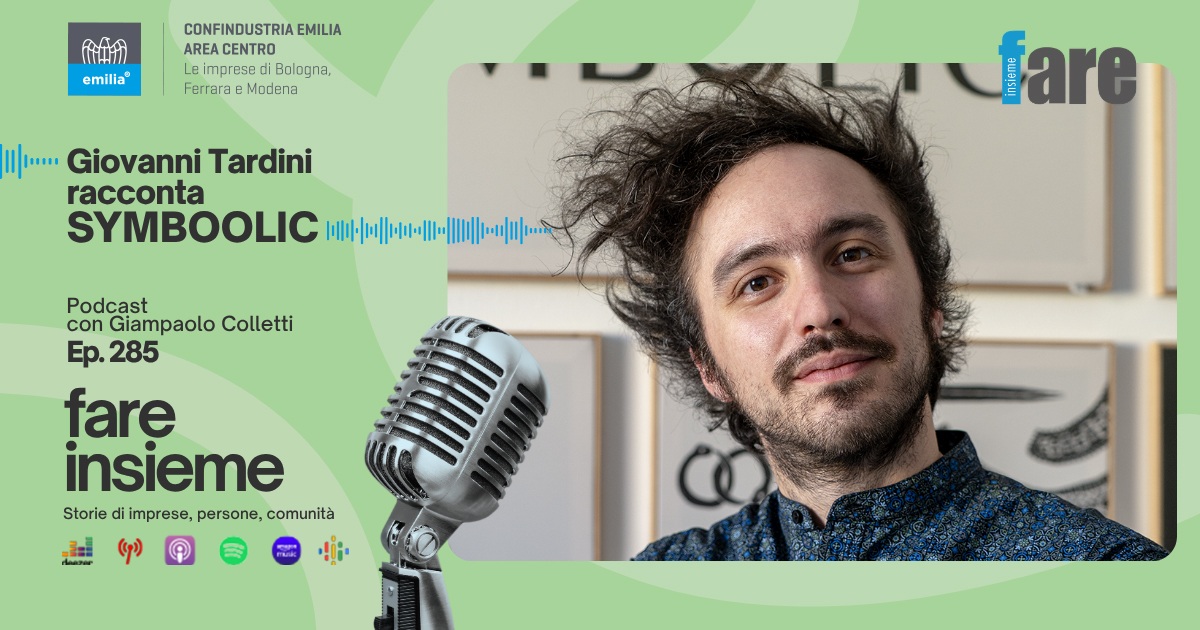
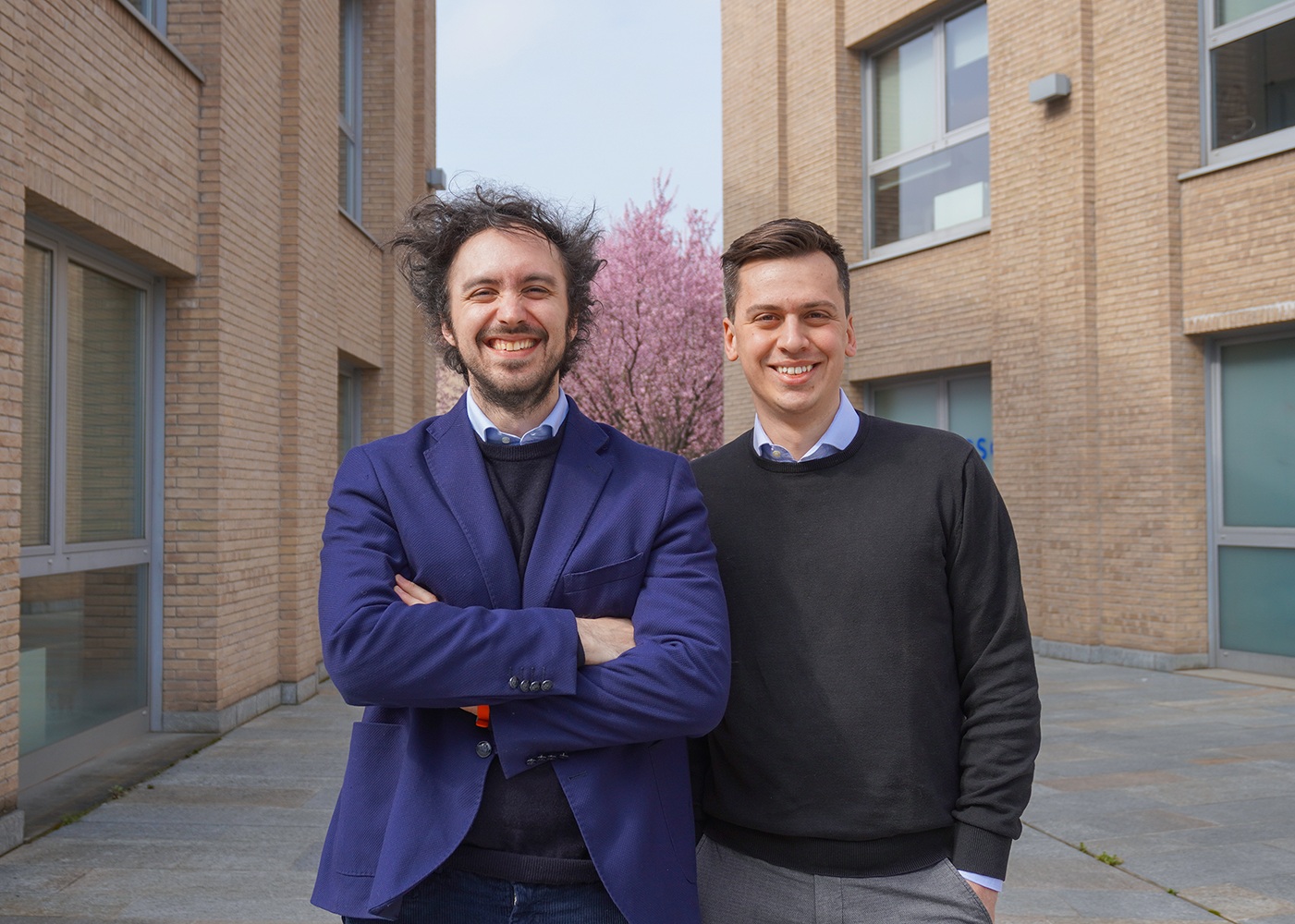
From Modena to the rest of the world, Symboolic leads companies towards the future. A model that integrates technology, processes and human capital to make organisations more efficient and scalable. From data management to the evolution of information systems, change becomes a strategic lever. Because today, innovating means most of all governing complexity,. Per FARE INSIEME Giampaolo Colletti interviews Giovanni Tardini, founder and CEO of Symboolic
by Giampaolo Colletti
@gpcolletti
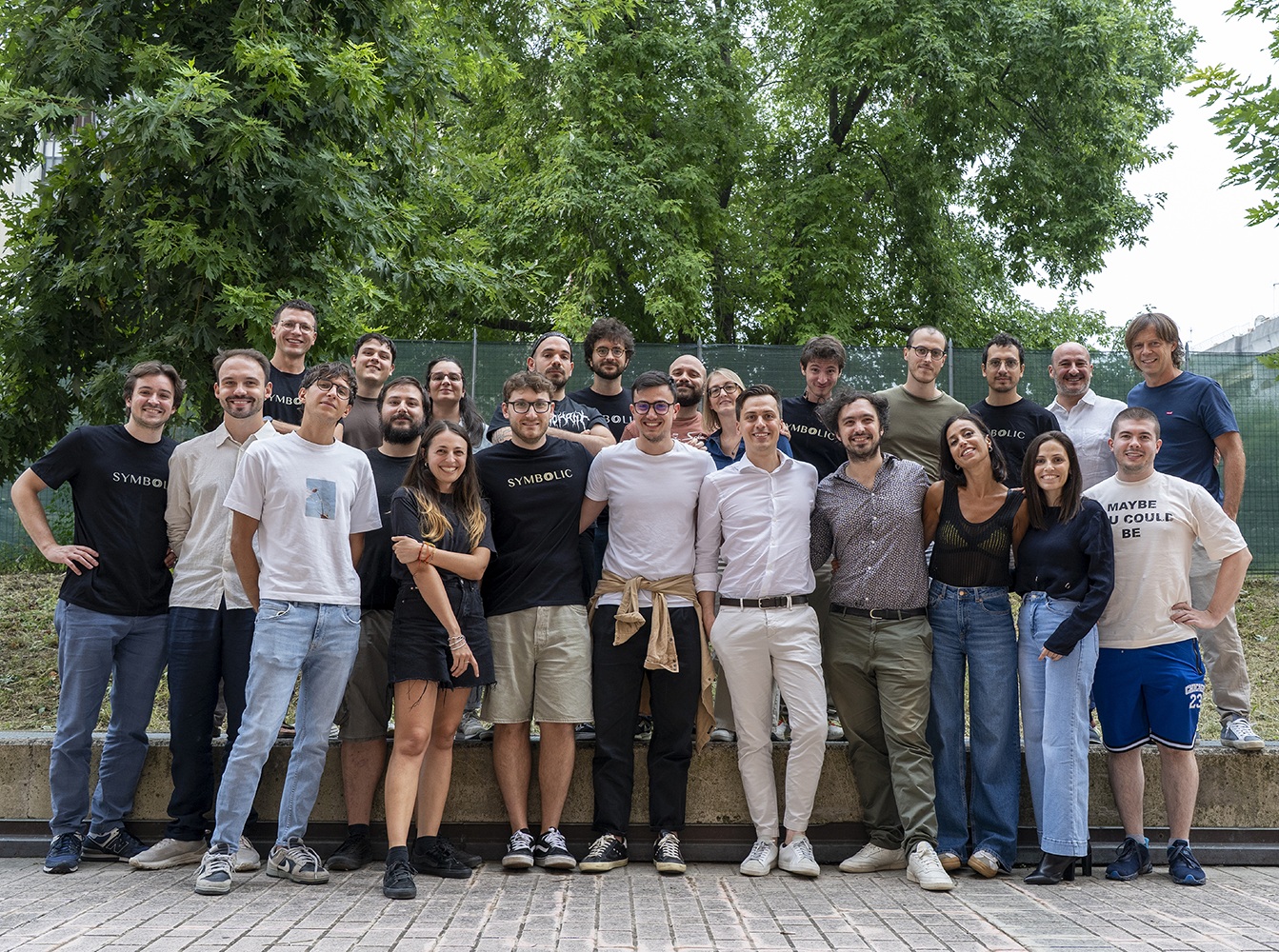
Think about Russian dolls: you open them to find smaller and smaller ones creating an endless surprise effect. There it is, this story is a mix of many others just like the best stories which encompass many others within them. It is the story of a company born during university days, but it is also the story of an allegiance between opposing worlds that are drawn to each other to create businesses and the future. More than that, it is the story of a future that is already happening. But let us proceed step by step. Everything started with an alliance between Giovanni Tardini from Modena, who is a man of words, and Alessandro Bigi from Reggio Emilia, who is a man of numbers. It all started in January 2022 with a business that now boasts around 30 working professionals producing a turnover exceeding 1.5 million Euro with orders coming in from all over the world. It is the story of two uncharacteristic IT engineers who created an AI idea for the strategic and operational transformation of businesses.
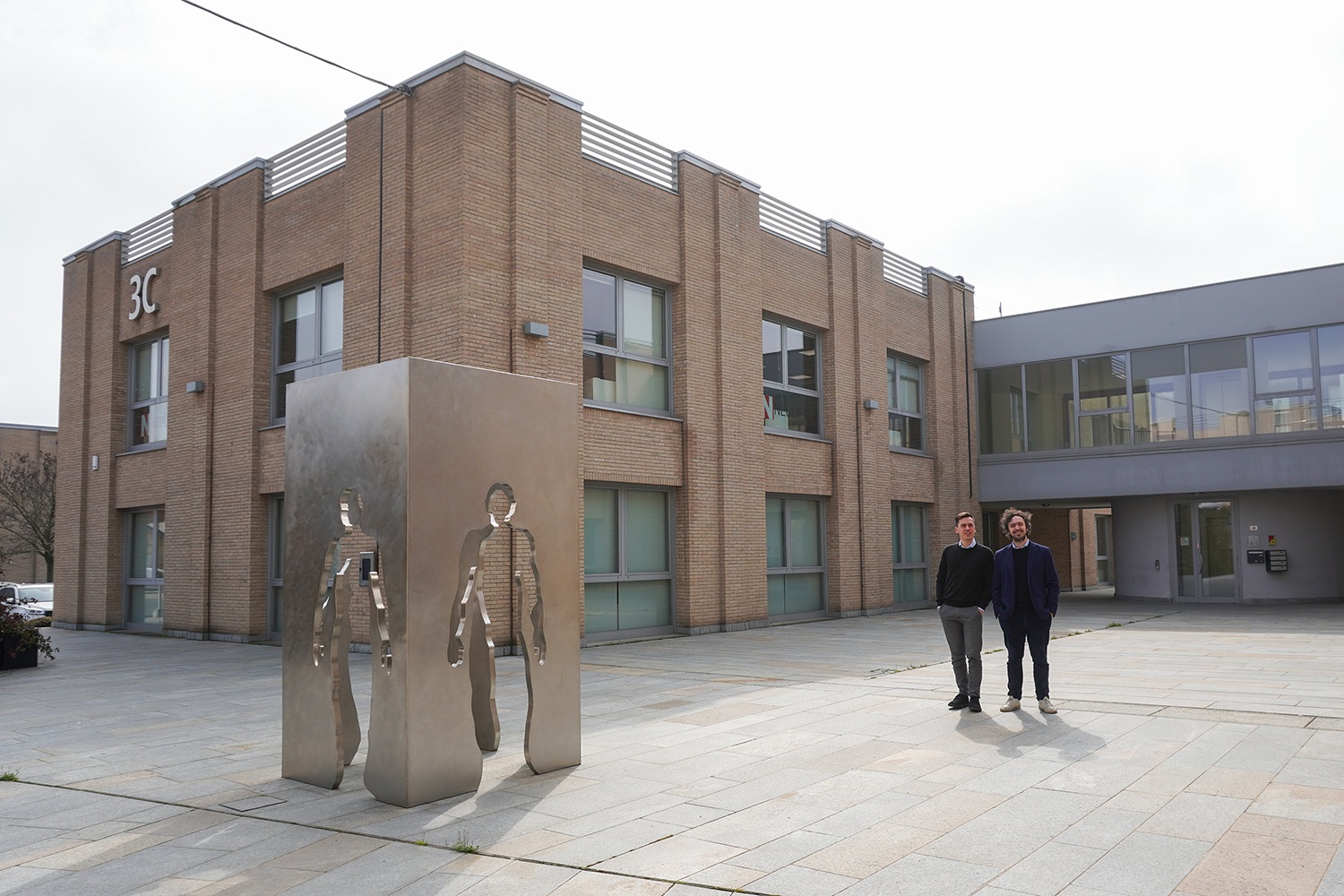
Company profile. This is the story of Symboolic, which makes the truth emerge from data from the moment when what is true and what is false is established, as illustrated by how Giovanni Tardini, a 34-year-old born in Modena with a diploma in classics and a B.Eng. from the Turin Polytechnic followed by an M.Eng. in Modena. His partner is Alessandro Bigi, a 32-year-old born in Reggio Emilia, and an engineer with a past as a software developer for professional audio equipment. The company also boasts a mixture of skills, as it is a winning combination of classical and mathematical studies: a dual soul that sustains this hyper-acceleration thanks to its humanistic and anthropological nature. Clients include large companies with complex organisations wishing to apply AI to their processes, or small and medium businesses with vertical set-ups. The headquarters is based in Modena, and in the Alfieri Maserati spaces to be more precise, so it is steeped in history as this is the iconic headquarters of Maserati created for the production not only of cars, but also of spark plugs, accumulators and machine tools. Here is where the past becomes the future, as these former foundries are now looking to programming. It is not just implementing platforms or developing solutions, but building architectures that combine data, people and decisions. “The true challenge is not to introduce the technology, but to make it work within an organisation, because every project has an impact on processes, habits and people,” explains Giovanni Tardini, founder and CEO of Symboolic. This is where the ability to read a context and to guide change comes into play.
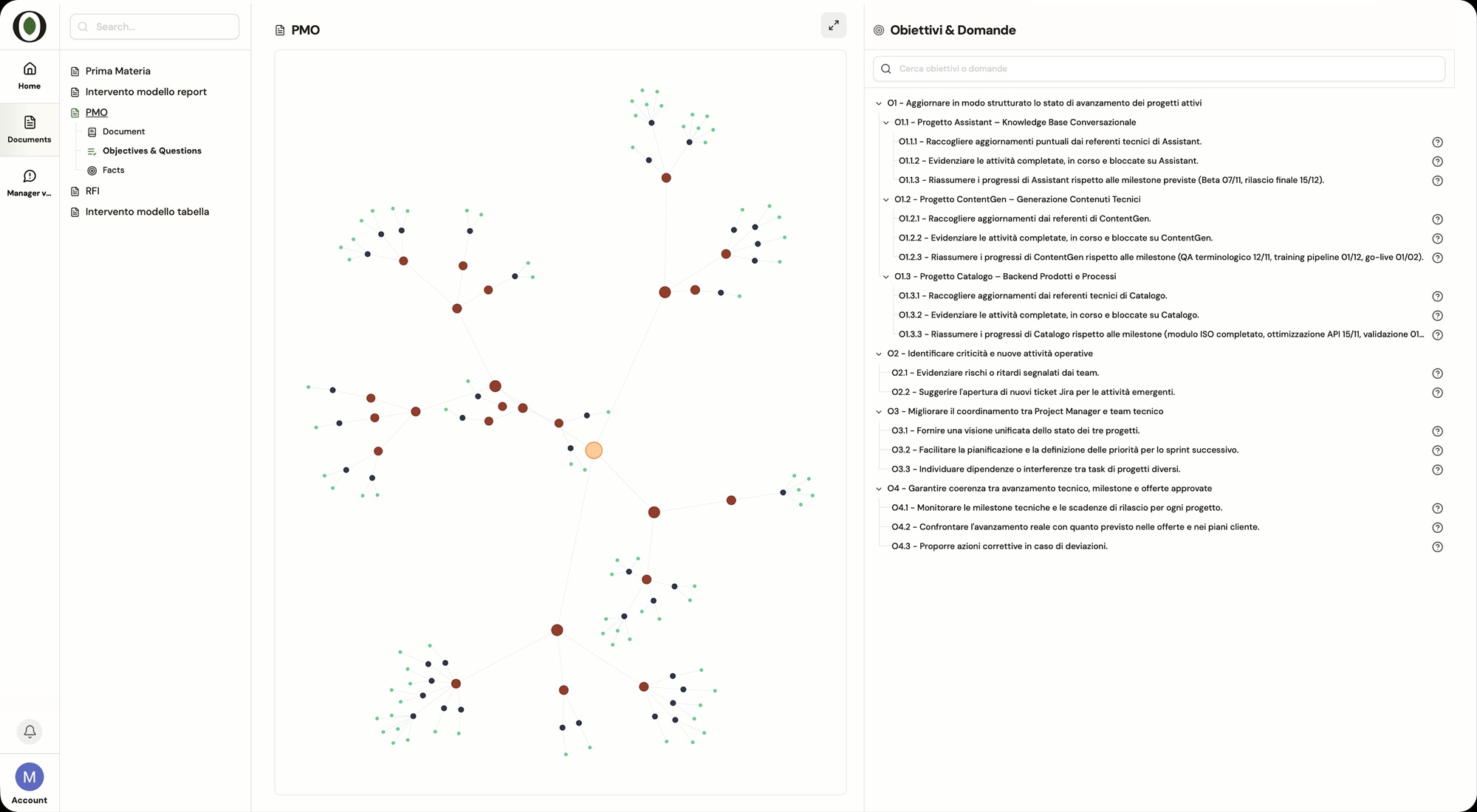
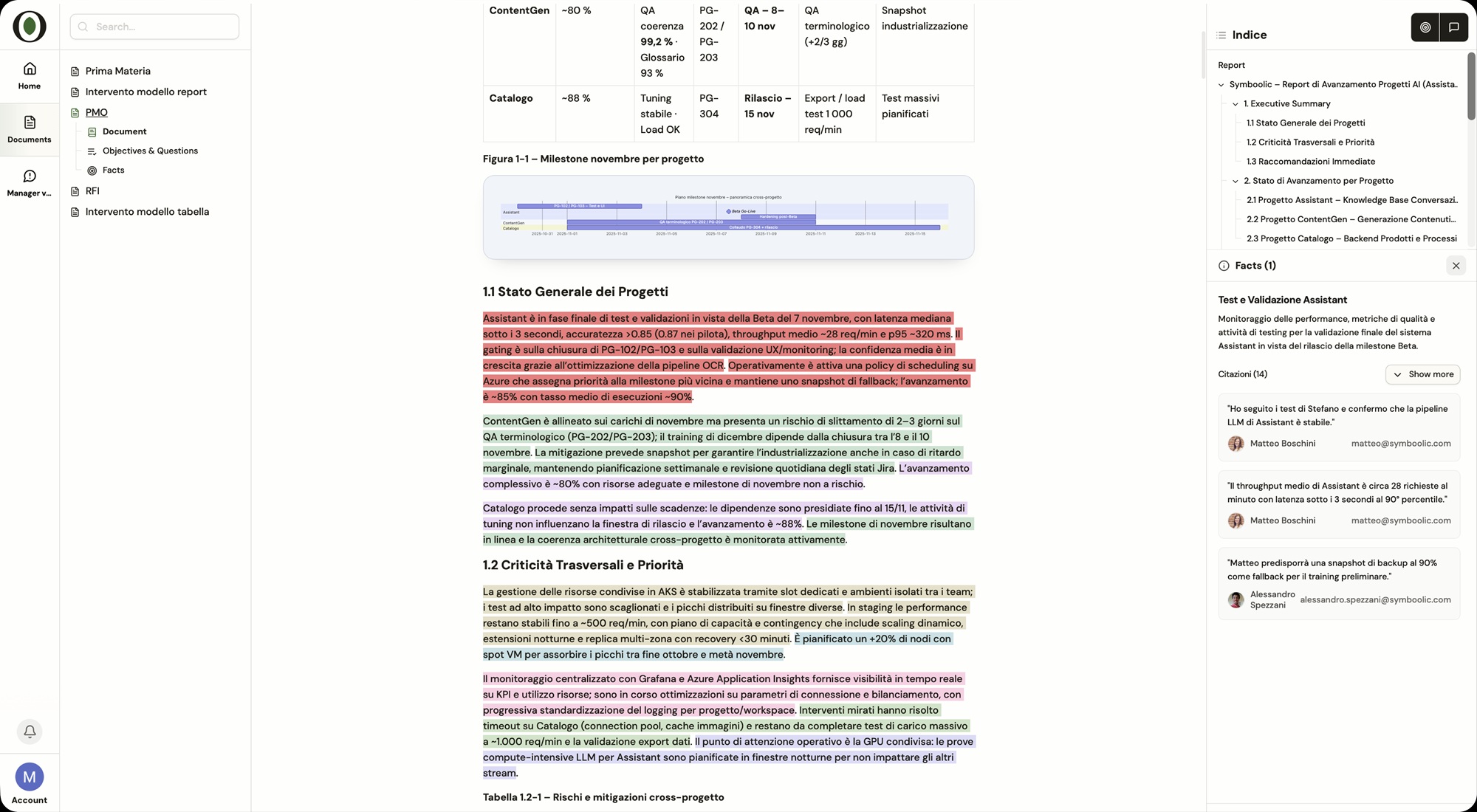
People and technologies. On top of the human capital, technology remains an enabling element. Integrated systems, data management and platforms that help companies be more reactive and competitive, yet with a precise objective in mind - to make organisational models more effective. “There are three skills that make a difference. The first is deep AI engineering, meaning the ability to plan complex multi-agent architectures. The second is the understanding of the business enterprise, meaning the ability to talk to those who make decisions. The third is an architectural mindset, that is the ability of considering a system as a whole,” explains Tardini. Then there is the territory, because roots matter. “Our territory has provided us with three fundamental things: a culture of doing, an ecosystem of companies that recognise the value of high-quality and a network that has enabled us to grow.” But there is more. Or, actually, there is Mary, a sort of “smart glue” that helps these systems work successfully. Because the point is not to automate, but rather to orchestrate complex processes. This is what Symboolic defines as maieutic paradigm: artificial intelligence not as an oracle that provides answers, but as a system that interrogates and builds value starting from the tacit knowledge of people. From here, hybrid organisational charts are born where the border between the human and digital worlds is increasingly subtle and productive. For example, Zero integrates digital teams. “It is an industrialised smart software factory. A system capable of automating development processes while maintaining control and high-quality." Zero Shop is the e-commerce platform developed entirely through a CEO AI agent that has created the website by selecting distributors, writing content and accompanying the project towards its launch. It sounds like science fiction or a dystopian world, yet it is reality. Not a theoretical exercise, but the proof of a paradigm: organisations where digital systems do not just provide support, but play an integral part of the decision-making structure. Maybe this is the lesson. Future factories are not physical places, but a system of relationships between people, data and artificial intelligence. And those who manage to orchestrate these relationships will not just innovate but will build a new way of doing business.
https://podcast.confindustriaemilia.it/
Read the other interviews