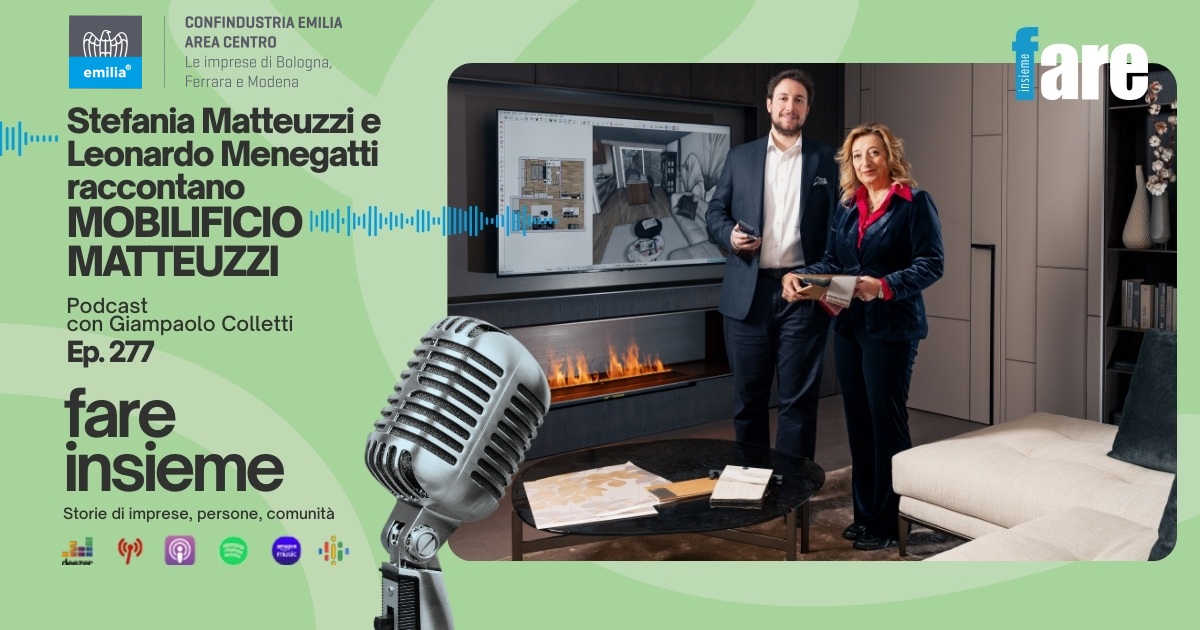
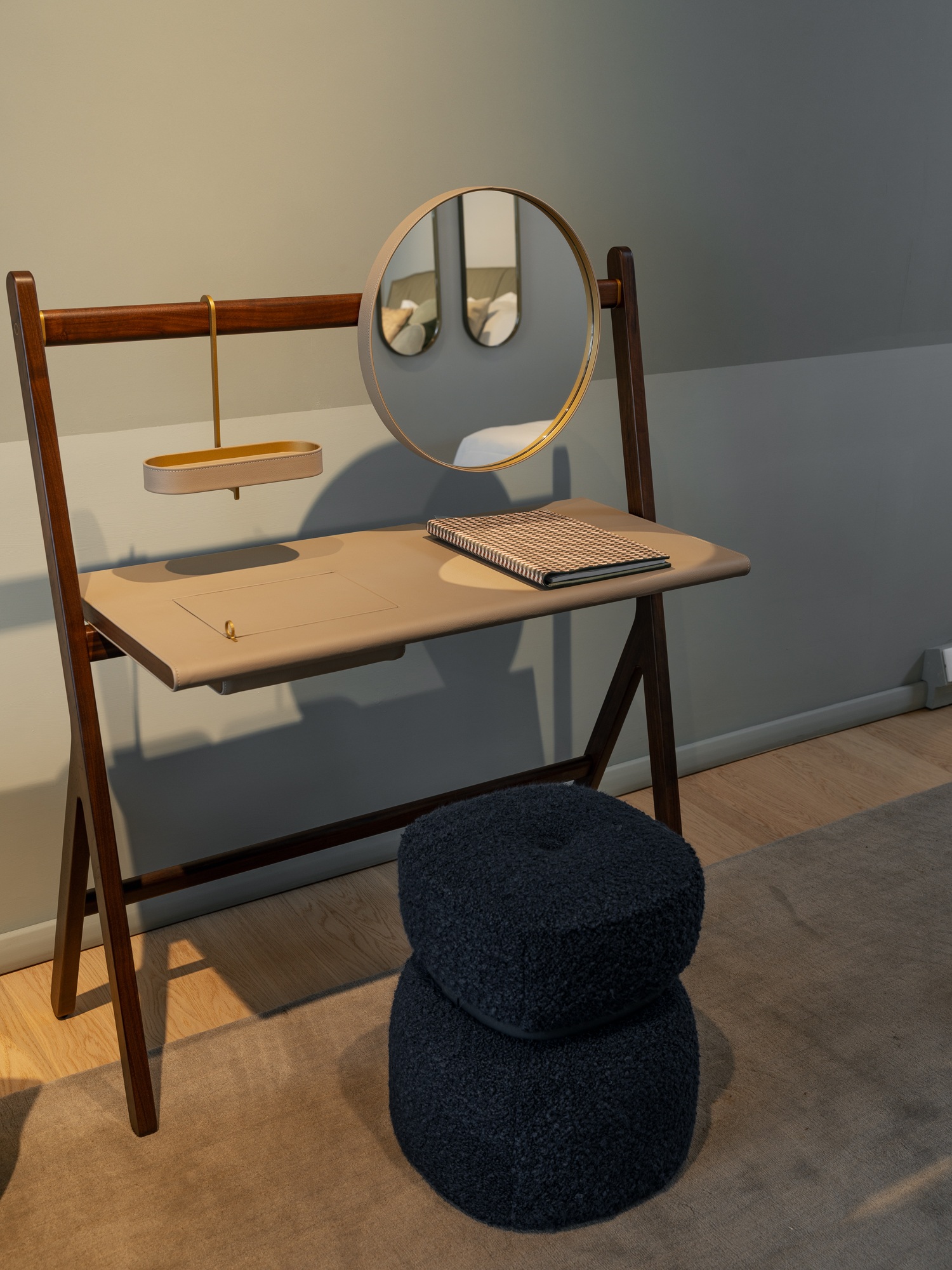
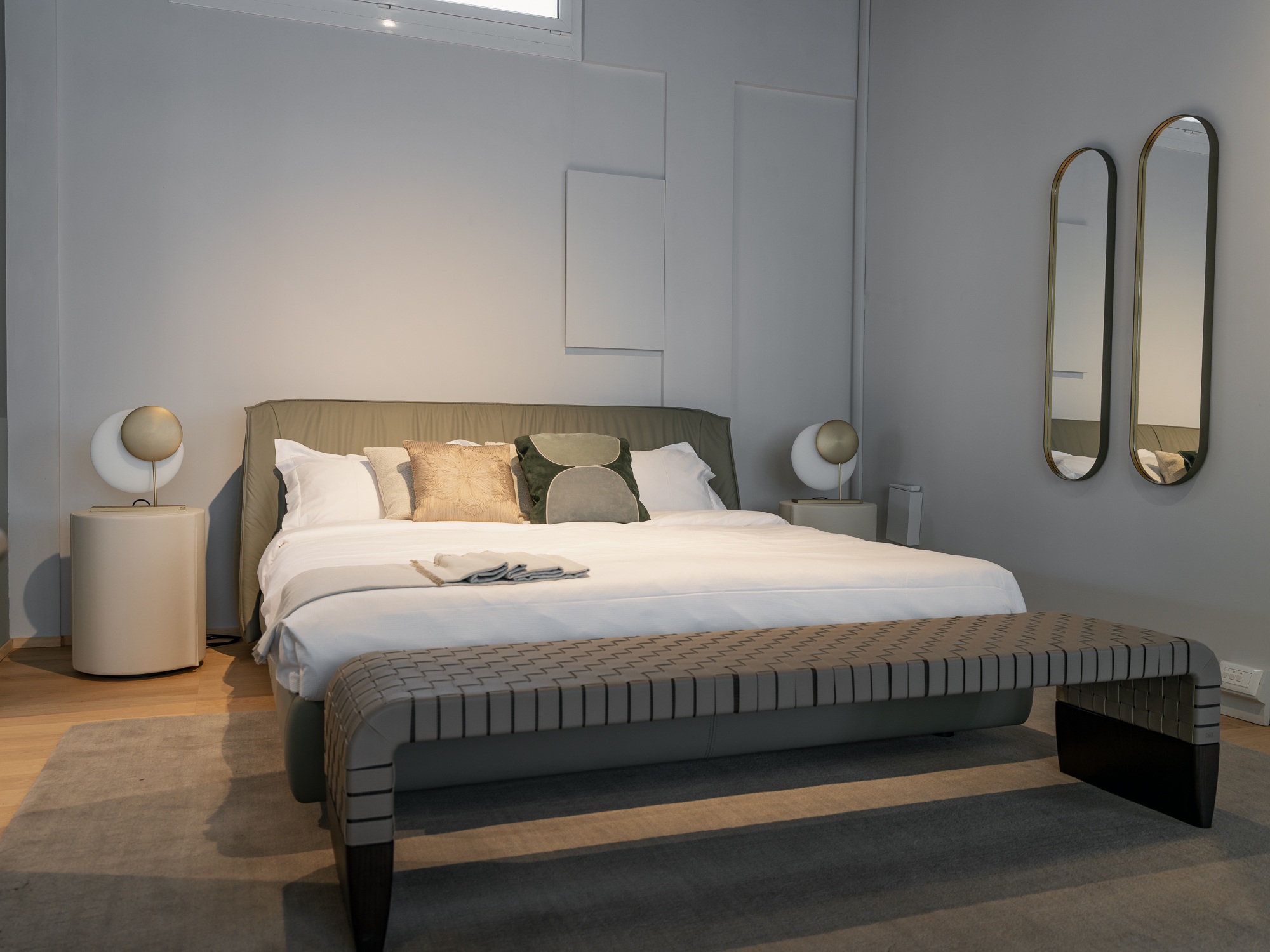
The story of a Bologna family business capable of evolving without losing its artisanal soul From the workshop set up in 1947 to contemporary interior design projects that go beyond the simple product embracing memory, innovation and connection. For FARE INSIEME, Giampaolo Colletti interviewed Stefania Matteuzzi and Leonardo Menegatti from Mobilificio Matteuzzi
by Giampaolo Colletti
@gpcolletti
Photocredit: Giacomo Maestri e Francesca Aufiero
What we are about to illustrate is a story that goes beyond a family passion because it also encompasses the courage to dare, the determination to experiment, and the ability to study without stopping at the simpler, almost banal solutions. It is the story of a furniture manufacture that reflects the story of our country. And it is proof of how human intellect is always capable of extraordinary things. This story starts in Bologna in 1947, when Orlando Matteuzzi set up his cabinet-making studio - a workshop well before a business, a work bench well before a show room. And, most of all, roots that delve deep into the territory, into that Emilian fabric where artisanal craft was never folklore, but a concrete vision of the future.
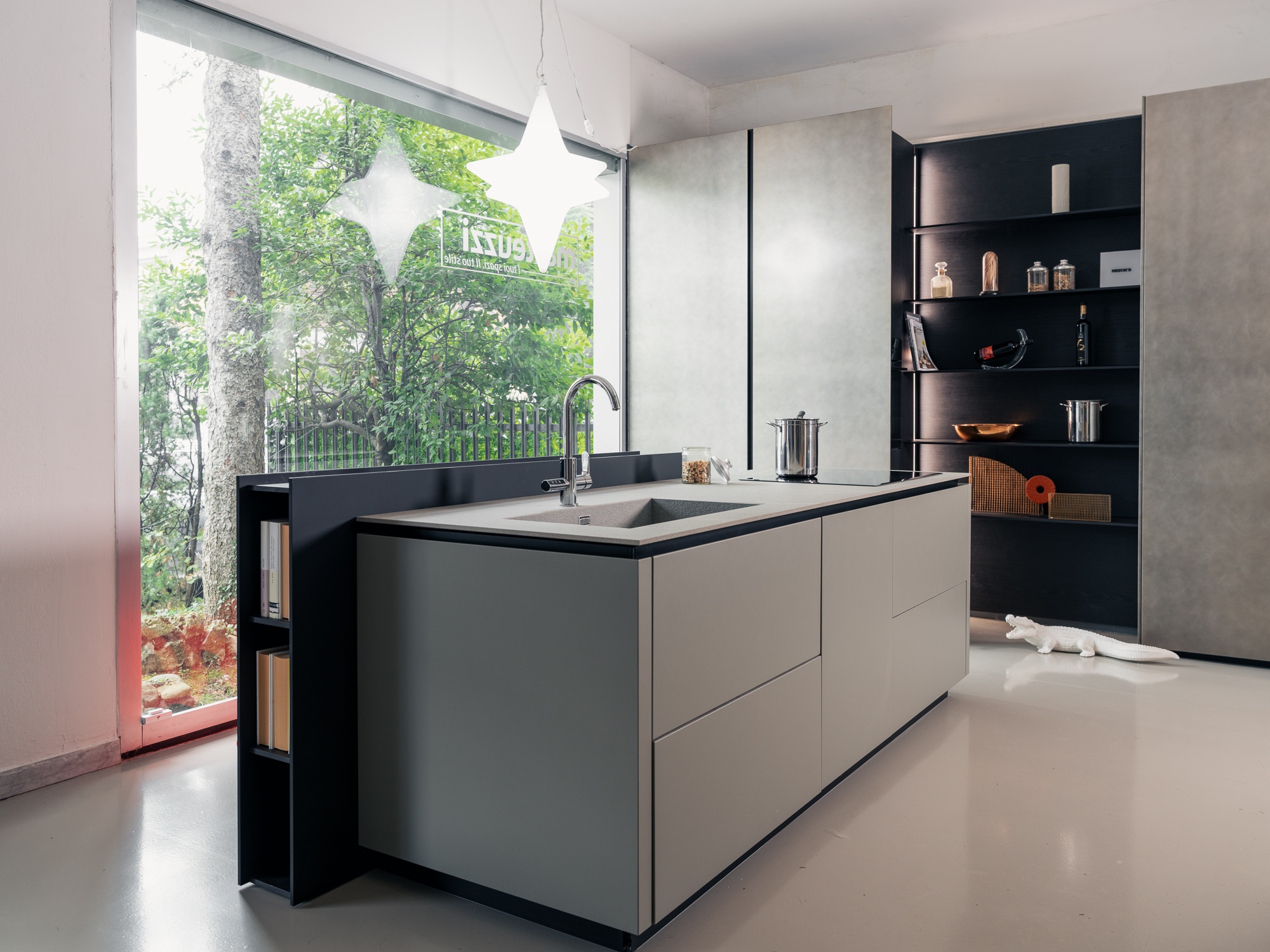
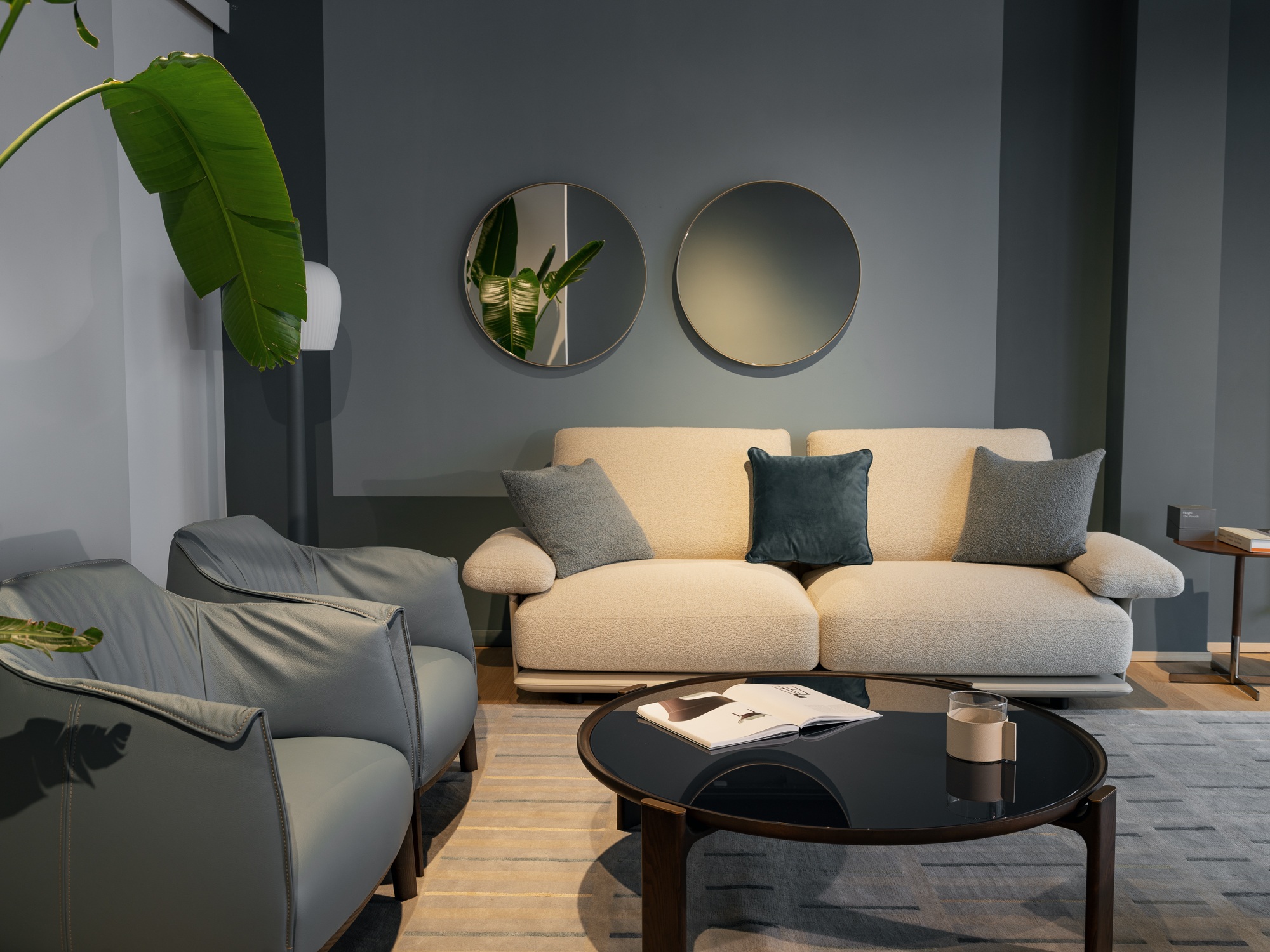
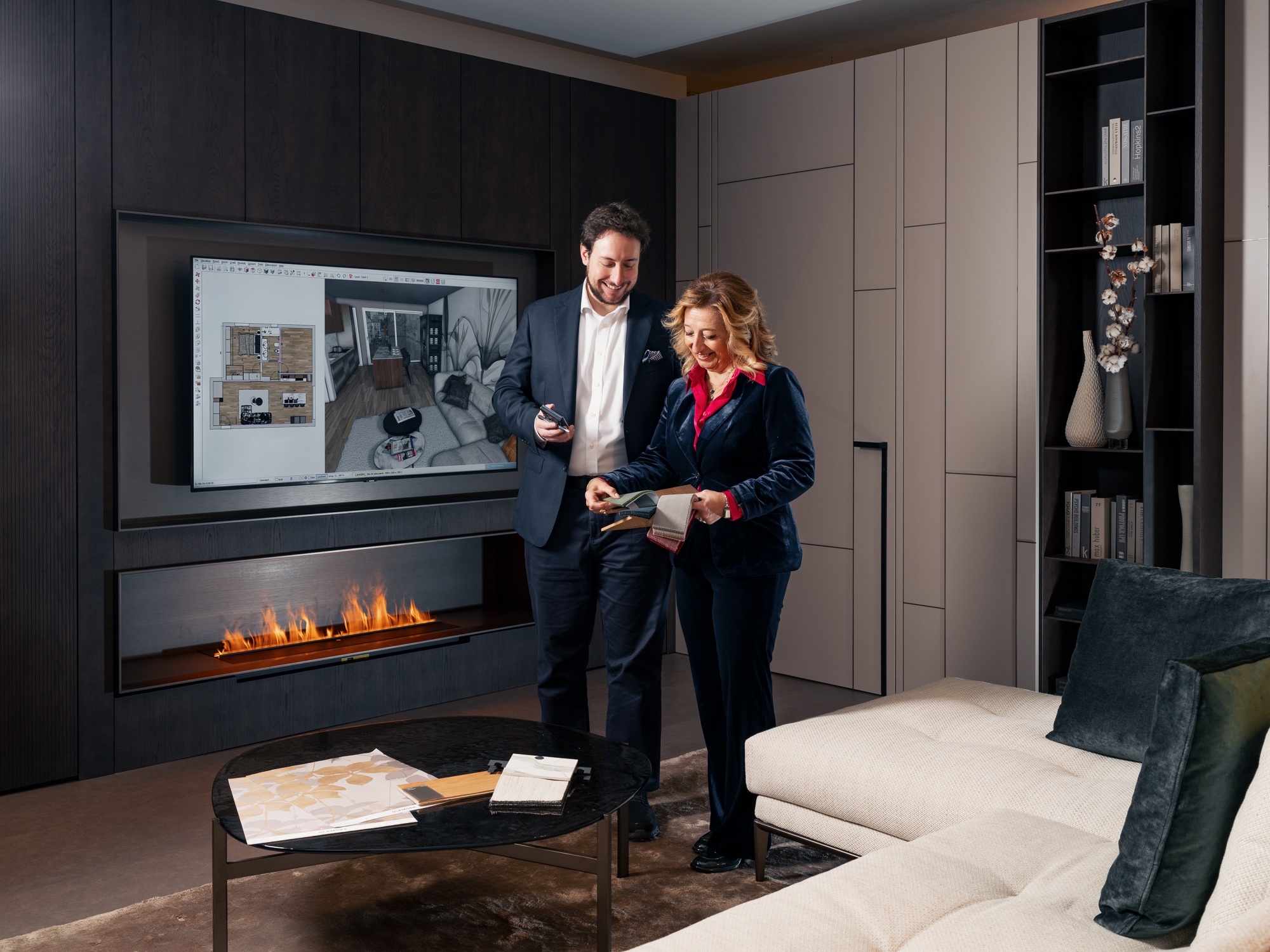
The story. Mobilificio Matteuzzi was born when Italy was reconstructing its houses, identities and dreams. Small jobs, customised works and materials chosen with great care: this is how a DNA was created, that persisted throughout the decades. The first turning point came with the following generation led by Loris Matteuzzi, when production evolved to include pieces of furniture that could be reproduced in different sizes and using different types of wood - from Swedish bookcases to the wainscoting presented at the Fiera Campionaria in Bologna, at the time the hub of regional production innovation. This is where a typical Emilian trait started to emerge, i.e. the propensity for contamination. A visit to the industrial design businesses in Brianza, dialogue with the producers and openness to new distribution models. Not a break with the past, but rather a transformation. The second turning point came about when Loris entrusted Stefania and Lamberto Menegatti with the management of the company. Their arrival marked a further improvement of the offer with the introduction of the “turnkey” service and the opening of a second store, thereby initiating a second phase of growth and stabilisation. Not the end of crafted products, but rather their evolution. Today, this inheritance has taken form in a multi-generational family business led by Stefania Matteuzzi with Lamberto first and then with Leonardo Menegatti, and now with around fifteen collaborators, architects, designers, craftsmen and construction companies that work together on planning, interior design projects and renovations for private and corporate clients. A streamlined yet deeply rooted structure. The three branches located within the Bologna territory, including the historical showroom, Lago Store and the new spaces given over to selected brands including the Poltrona Frau branded space are testament to a growth that does not only involve numbers, but that is also cultural. “Our world has changed profoundly and keeps evolving. Entrepreneurs must observe what surrounds them and grasp the essence of change to provide concrete answers. This is even more important when it comes to design, because it involves people in their home environment,” explains Stefania Matteuzzi, a design entrepreneur born in 1961 with a classical education, who play an active part in the movement promoting women’s business associations.
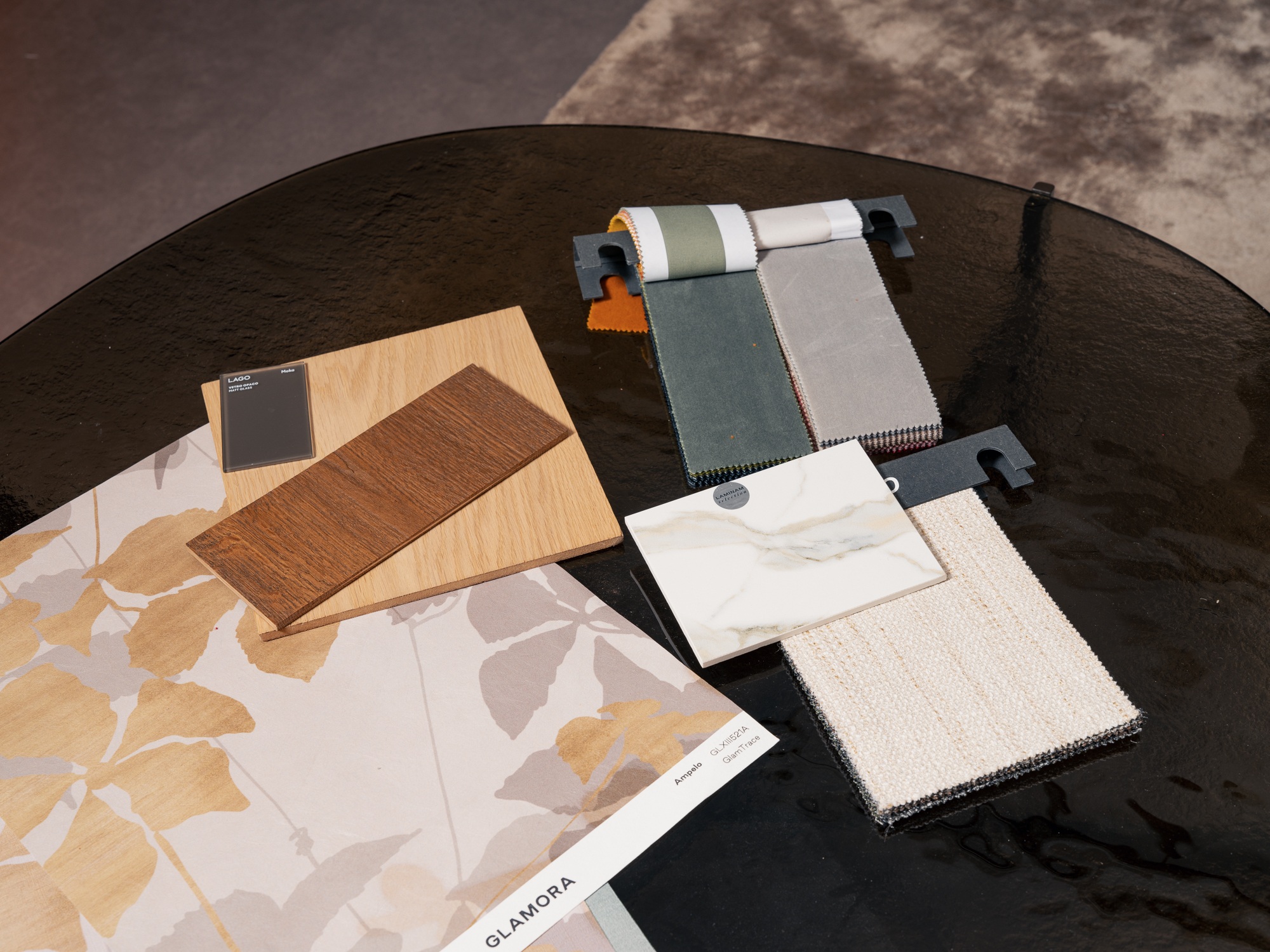
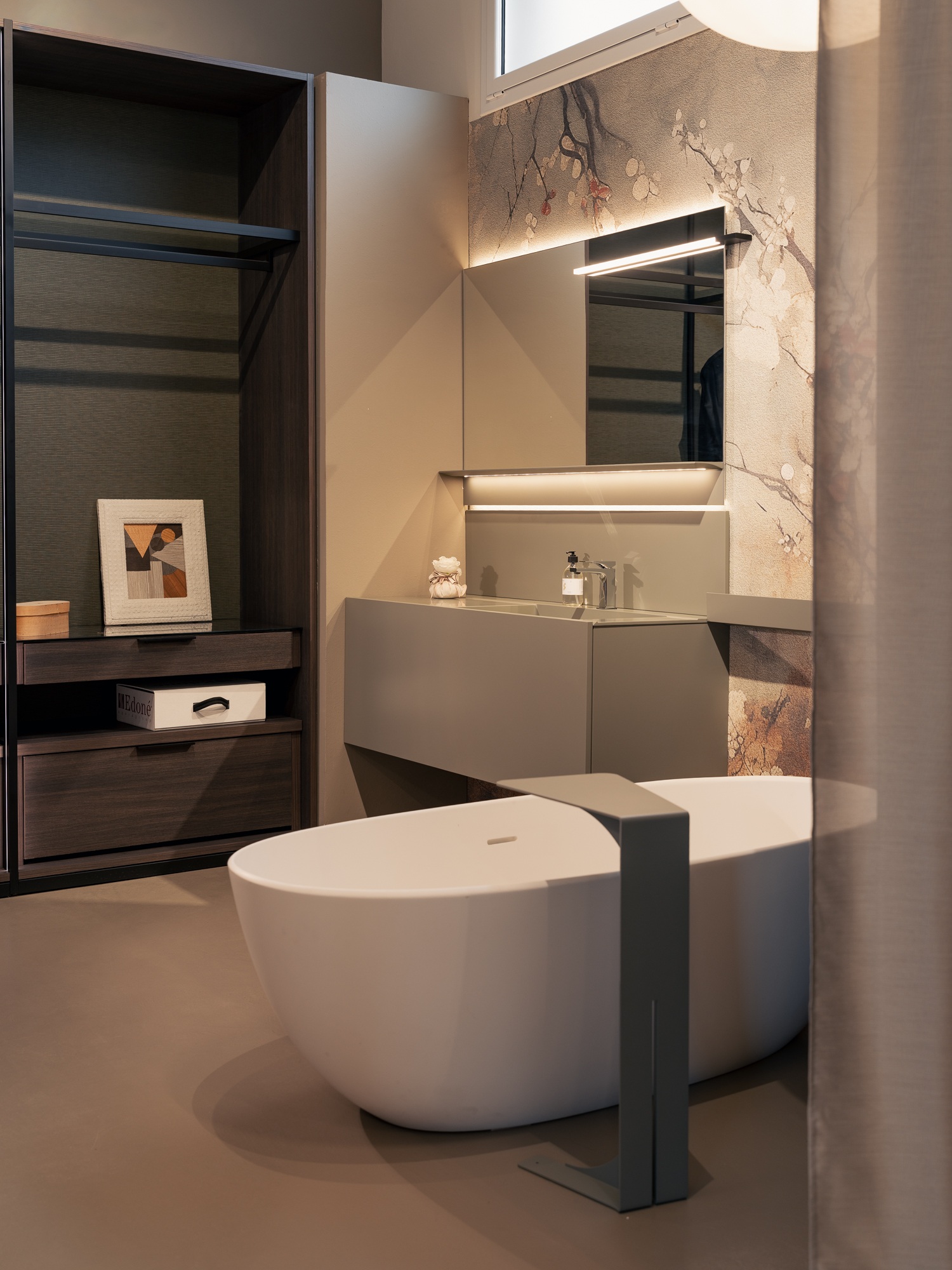
Company profile. Her words reflect what Emilian entrepreneurship means, i.e. observing, interpreting and conveying value. Not selling products, but rather building contexts. After all, furniture that is made to measure is not a recent fad. It is a thread that intertwines throughout Matteuzzi’s history: from modular wardrobes and customised offices, down to the contemporary projects that combine materials, lighting, domotics and smart systems. In a market dominated by speed and homogenisation, the answer is almost counter-intuitive: slowing down to design better. “It means having a profound knowledge of the product, knowing how it is made and how it can be adapted to specific needs,” explains Leonardo, 28 years old and the fourth generation working in the company. He started in IT. This knowledge helps combine artisanal flexibility with industrial continuity, high-quality standards, uniqueness, technology and empathy. And then we have Bologna, which is not only a geographic location, but rather an aesthetic identity. Conservative classic environments and contemporary architecture, warm sober spaces that are, however, never excessively minimal. A city that lives the home as a hybrid, increasingly central space where private and working lives intertwine, and where the attention to lighting, technology and comfort grows. This is what Leonardo Menegatti - who literally grew up inside the company and whose grandfather lived in the same building where the showroom was located - focuses on, bringing in a digital planning perspective. “It is a question of point of view. We do not need to revolutionise things per se, but to continue on a path started out by the previous generations using a new perspective that enables us to keep up to date without overturning who we are. Our thread remains Matteuzzi’s original craftsmanship,” observes Leonardo.
Tradition and innovation. And this is probably where we can grasp the most authentic essence of the Emilian way of doing business - dynamic continuity. Care, design, relationships. Three words that characterise the over 75 years of history of the business and which today assume an even more topical meaning. Trust is established upon the very first meeting, upon listening, upon the ability to explain a design clearly and to coordinate all those involved. Because furnishing does not just mean filling a space, but rather building a living experience. In a time when homes become offices, hosting venues and sometimes even investment assets, design becomes a form of consultation that is strategic and that needs to reflect the identity of the customer. In five years’ time, the company envisages a growth in its skills and services provided, with a strengthening of the contract and B2B areas. But there is something that it does not want to lose - the artisanal tradition that characterised its origins. Because it is not just a business that was born in that workshop back in 1947 filled with sawdust, wood and vision, it is a way of inhabiting space and time.
https://podcast.confindustriaemilia.it/
Read the other interviews