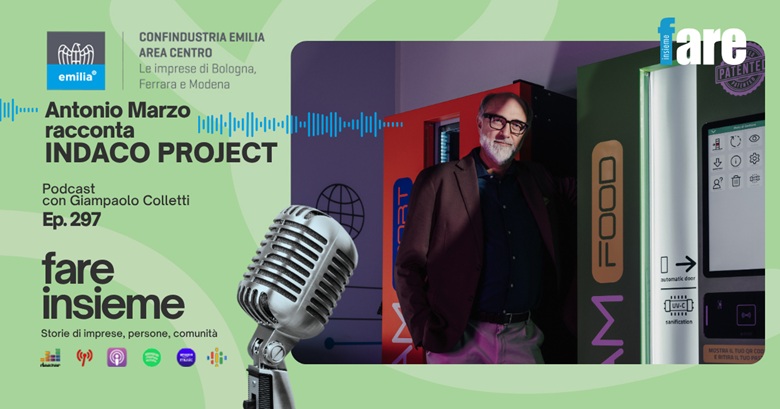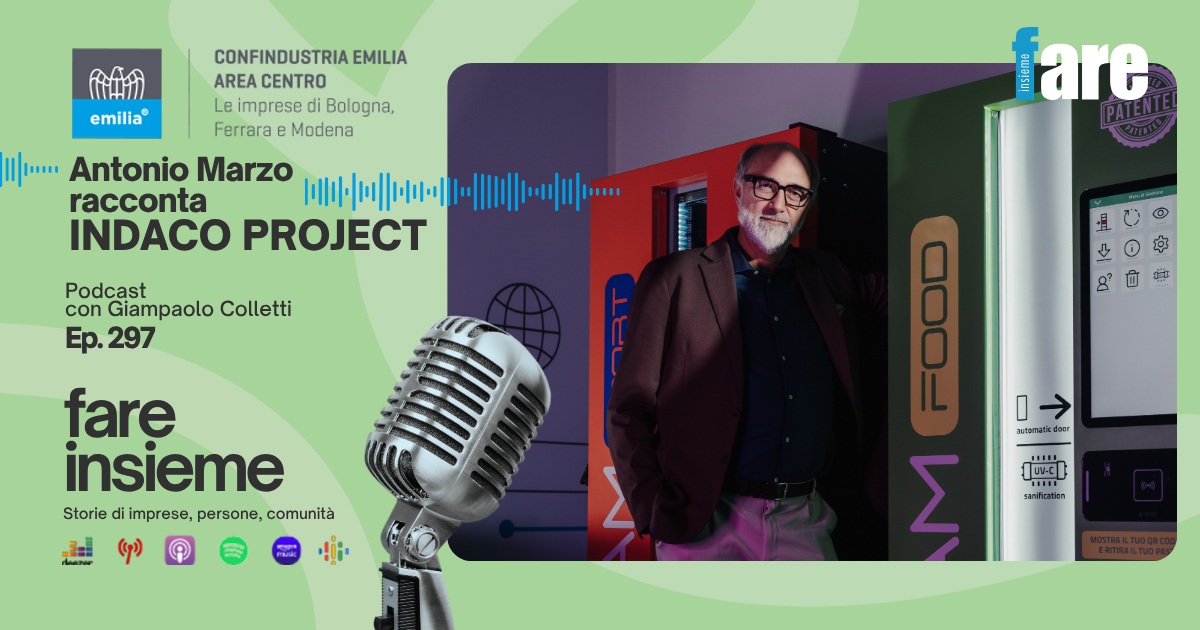
More than thirty years ago in Bologna, a software boutique was founded that anticipated the future of human resources. Today, Indaco Project develops platforms, patents, and artificial intelligence solutions to help companies unlock the value of their human capital. Because true digital transformation is not about technology, but about people. For FARE INSIEME, Giampaolo Colletti interviews Antonio Marzo, CEO of Indaco Project
by Giampaolo Colletti
@gpcolletti
Photocredit: Giacomo Maestri e Francesca Aufiero
There’s a colour between blue and violet. It is the colour of the sky when day gives way to night. The ancients associated it with intuition, knowledge and the ability to see what is not yet visible. It is called indigo. It is no coincidence that Antonio Marzo chose this very name for the company he founded in 1994. Because, ultimately, his entire entrepreneurial journey has been an ongoing exercise in vision.
Starting again and again. Anticipating what was to come. Looking a little further ahead than others, a hallmark of Emilia-Romagna’s entrepreneurial culture. “I have always thought that an entrepreneur should be the first to do something new. If you are chasing the market, you are already behind”, says Marzo. We are in Castel Maggiore, just outside Bologna, in one of those areas where manufacturing and technology have long gone hand in hand. And it has proved to be a successful partnership. This is where Indaco Project is based: a group that today brings together three companies, sixty professionals and around €8 million in turnover. A business that develops software, patents, proprietary hardware and artificial intelligence applications for medium-sized and large companies, especially in contexts where processes are complex and the human factor still makes the difference. But this story did not begin in a computer lab. Far from it. It begins much earlier. Antonio Marzo is from Bologna, born in 1964. He trained as an accounting technician and started work at the age of twenty-one. His first job was in the fur machinery sector. Then the sector took a downturn. It was one of those moments that can either close one path or open another. He deliberately chose the latter. He moved into telephone systems, and then into the sale of attendance tracking software. And it was precisely there that the insight came. “I realised that the business world was changing. Software would no longer be an accessory, but the core of the organisation”, says Marzo. So, in 1994, together with a partner, he founded Indaco Project virtually from scratch.
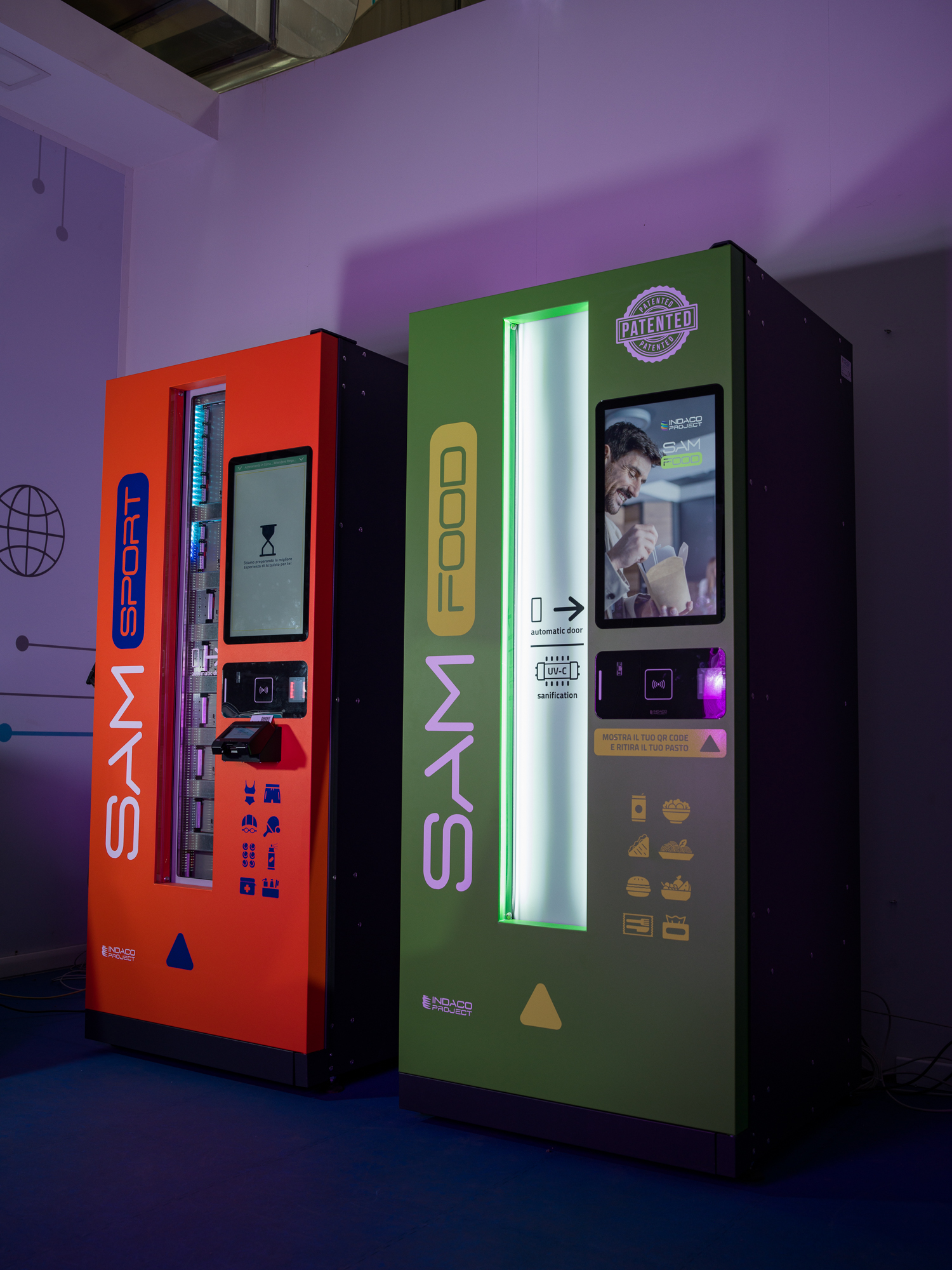
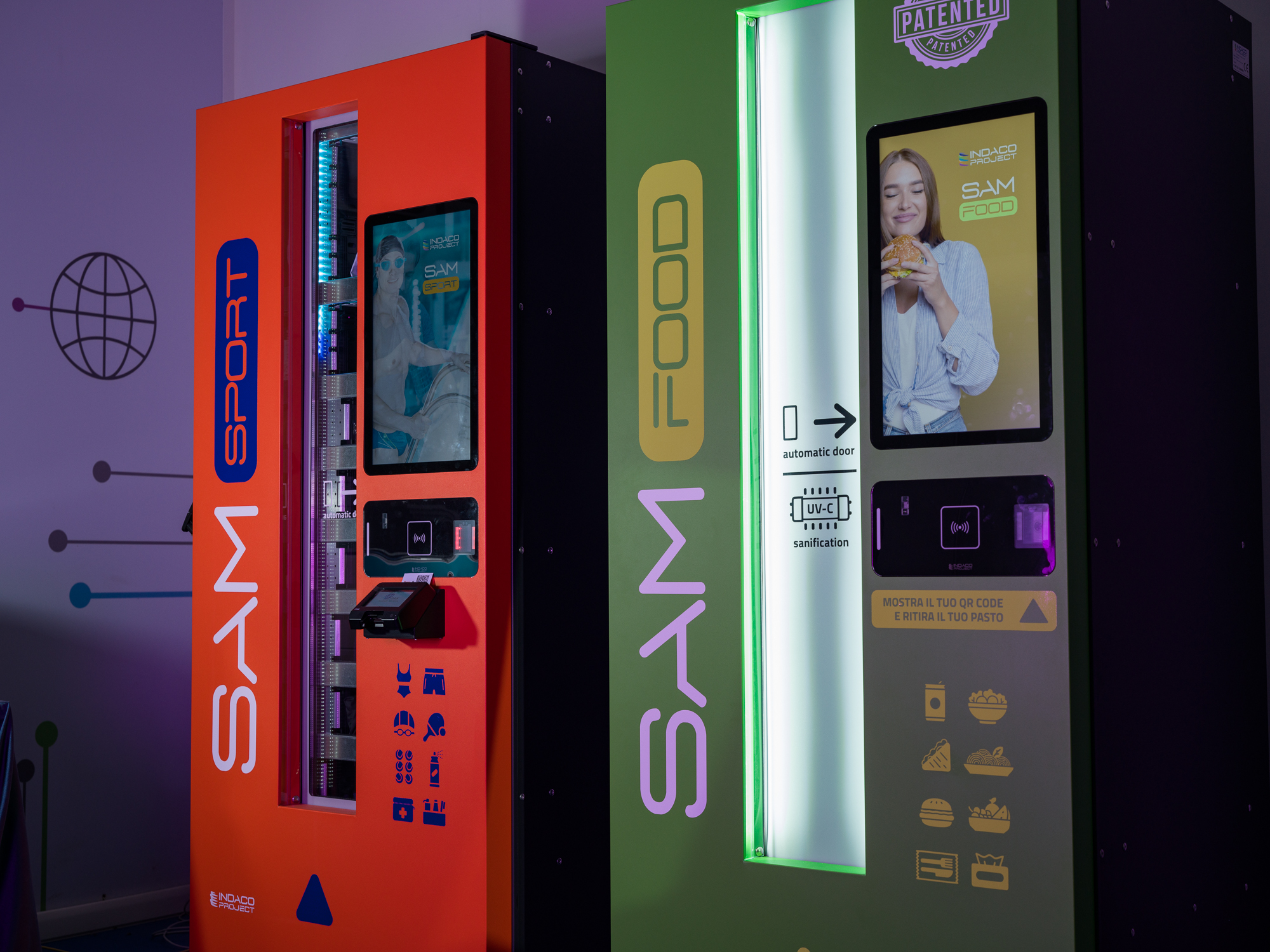
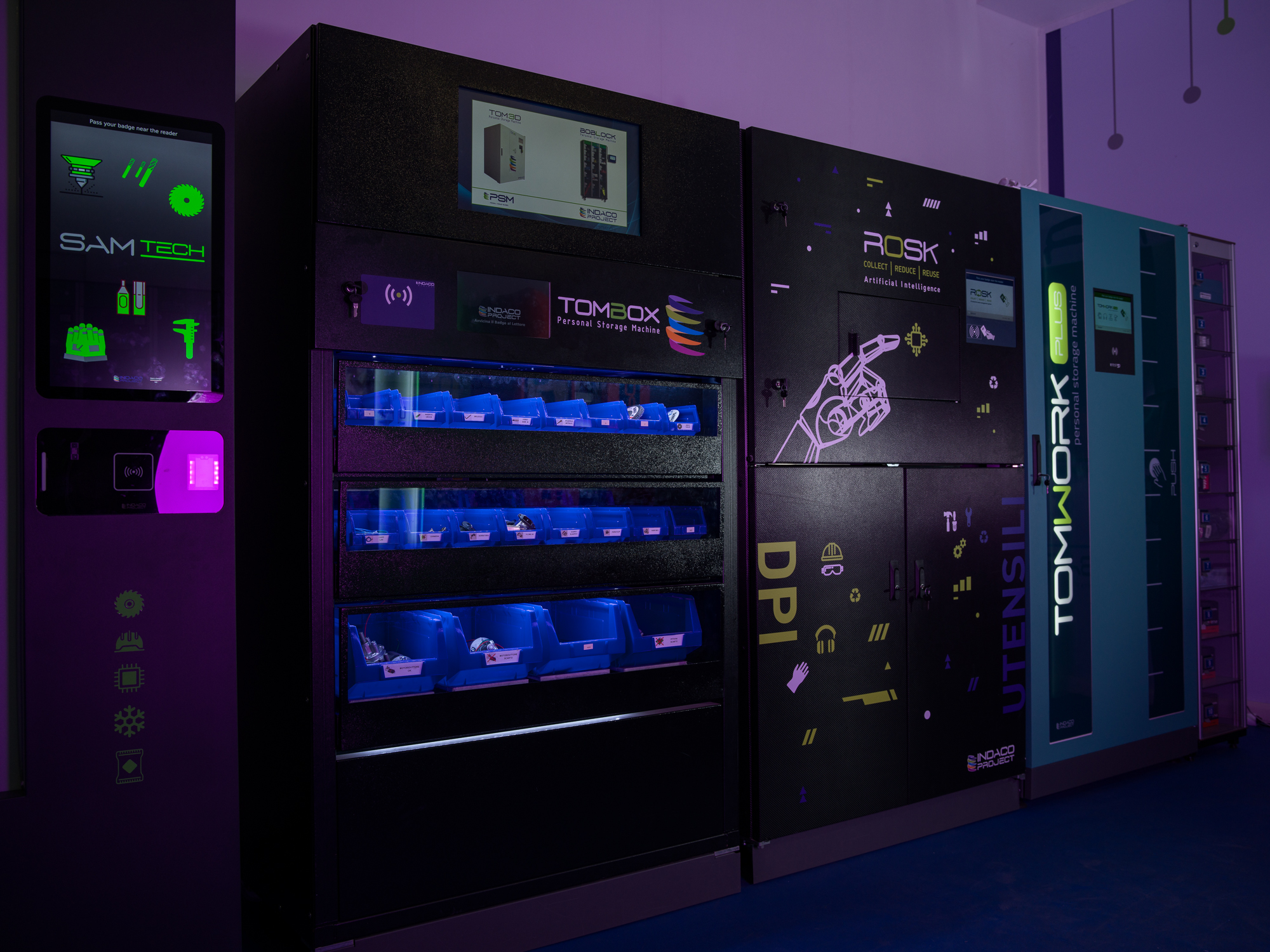
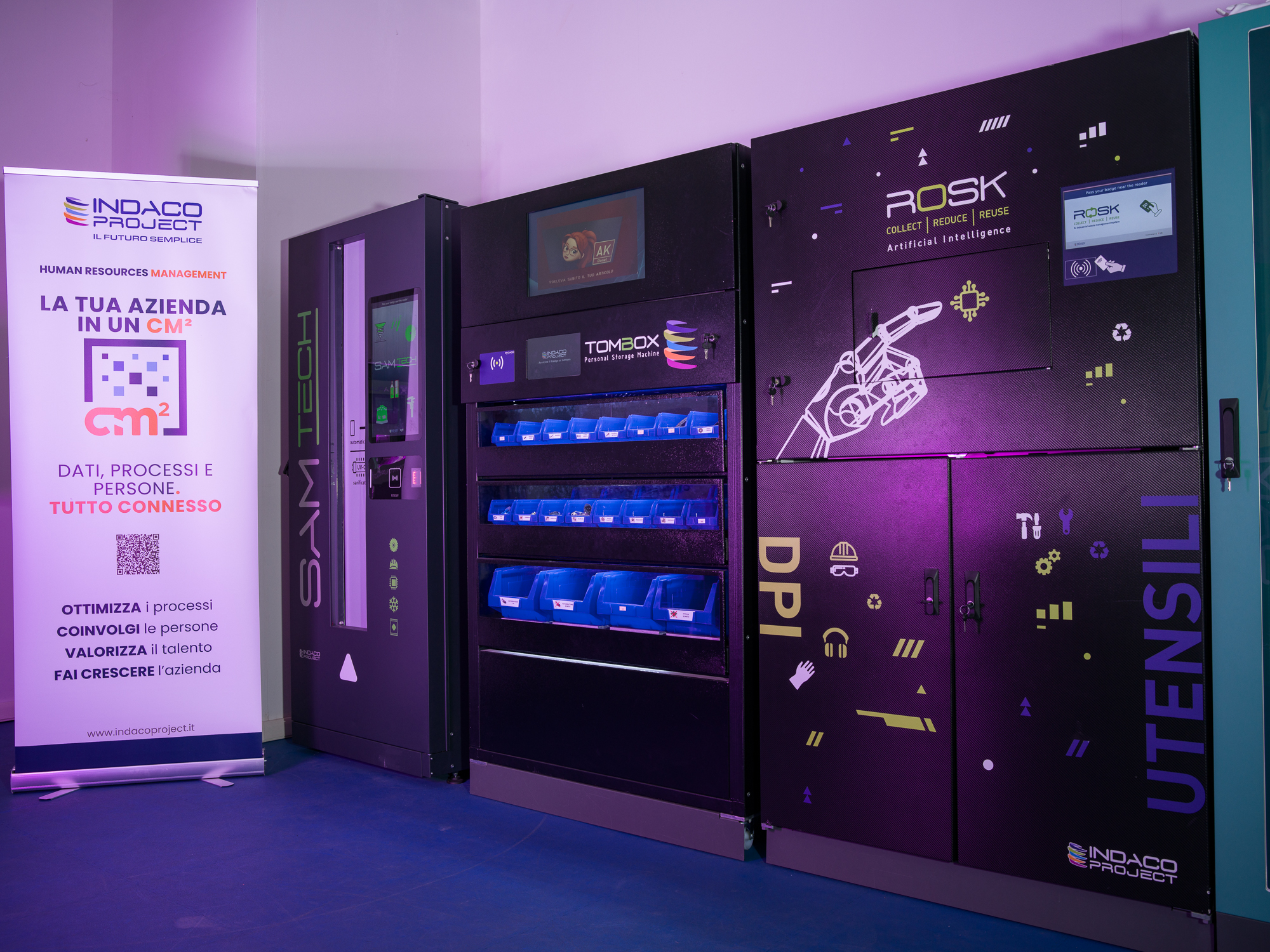
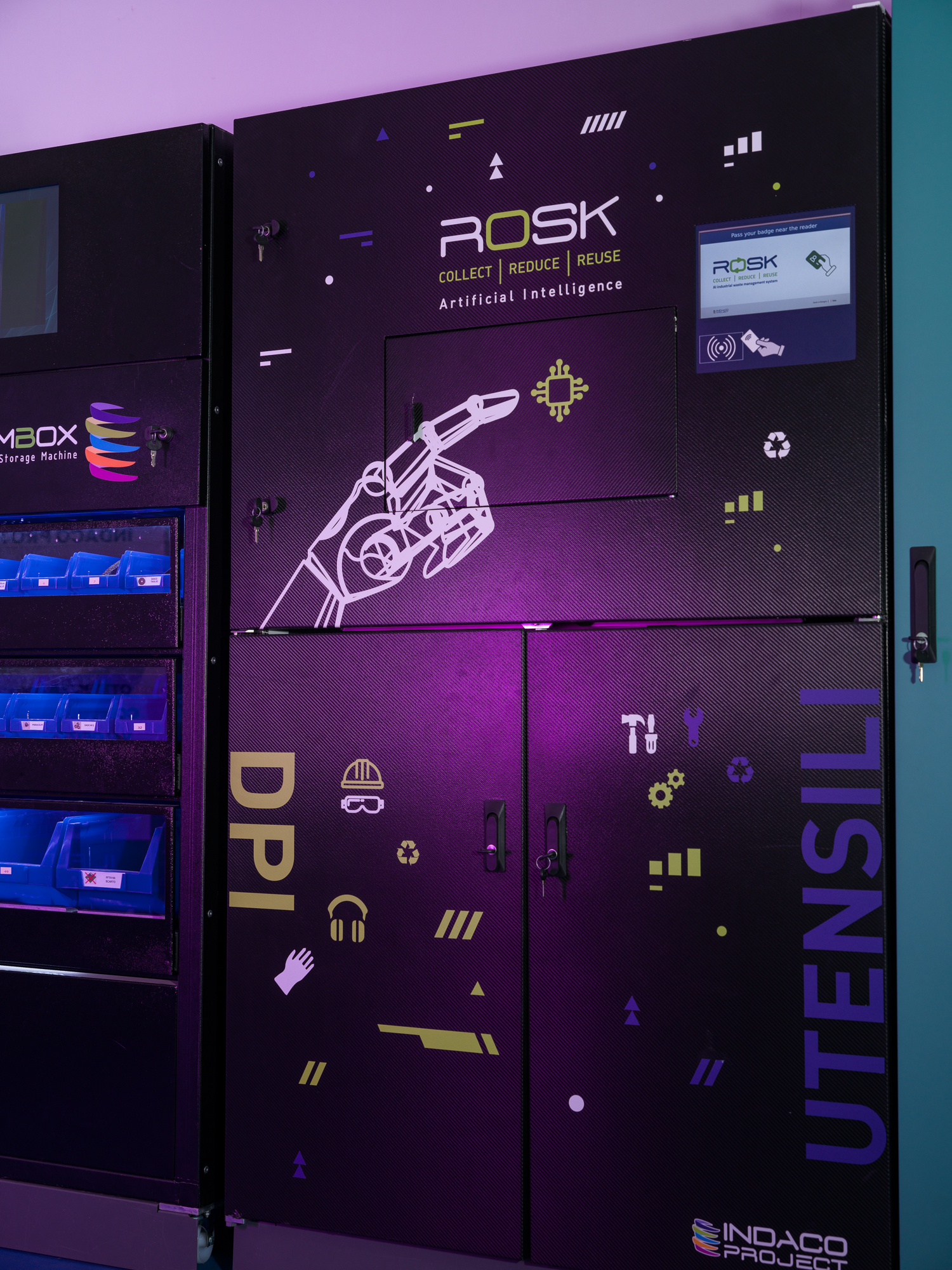
Company profile. At first, the business focused of reselling attendance management systems. Then, by observing clients, he realised that the real value was not the product itself. It lay in the ability to build simple tools to manage increasingly complex processes. Since then, Indaco Project has never stopped evolving. From a simple reseller, it became a software house. It then developed proprietary platforms. Patents followed. Hardware products were created. Today, the group also develops applied artificial intelligence systems, including an intelligent waste-sorting unit that can automatically recognise an object via a camera, check whether it has been disposed of correctly, and reject it if not. The product has the ironic name ROSK (rusco, Bolognese dialect for rubbish), which reflects both the company’s Bolognese identity and its Made in Italy roots. At the same time, it is an example of sophisticated technology built on a very simple principle: making life easier for people. “We see ourselves as a boutique whose systems and solutions are designed to help businesses embrace the future”, Marzo explains. However, at the heart of the company remains CM², a platform that integrates every aspect related to people management: onboarding, training, skills, safety, welfare, attendance and professional development. Today, the platform manages more than 420,000 user accounts across over 2,100 companies.
The evolution. “The biggest challenge is not adding technology, but making it easy to use. If a tool is complicated, people stop using it. Ease of use is not a detail: it is part of innovation”, says Marzo. Over the past thirty years, the world of human resources has also changed. The family business has given way to increasingly dynamic organisations, where people change jobs more frequently, seek rapid career progression and place value on factors that go beyond salary. “HR departments have a completely different responsibility today than they did in the past. Their job is to keep people motivated. They have to build environments in which everyone can express their talent”, Marzo observes. This is how AI becomes an opportunity. “Administrative tasks will gradually be automated, allowing us finally to devote more time to ideas and relationships. In other words: to people”, Marzo summarises. Because data tells us about people's skills, but that alone is not enough. We also need to understand their passions, inclinations and aspirations. Only then can human capital truly become a competitive advantage. The relationship with clients also reflects this philosophy. The company slogan reads: With us, you will never be just a number. This is not just marketing, but a genuine and effective approach. After all, the best organisations are becoming not only increasingly digital, but also increasingly community-driven. And digital transformation does not begin when new software is bought, but when our approach to work changes. Because (and we say this often) technology is constantly evolving, but the ability to imagine the future remains profoundly, and necessarily, human.
https://podcast.confindustriaemilia.it/
Read the other interviews