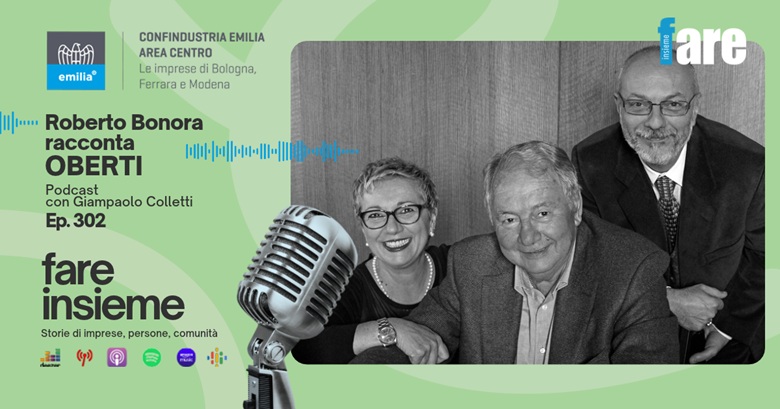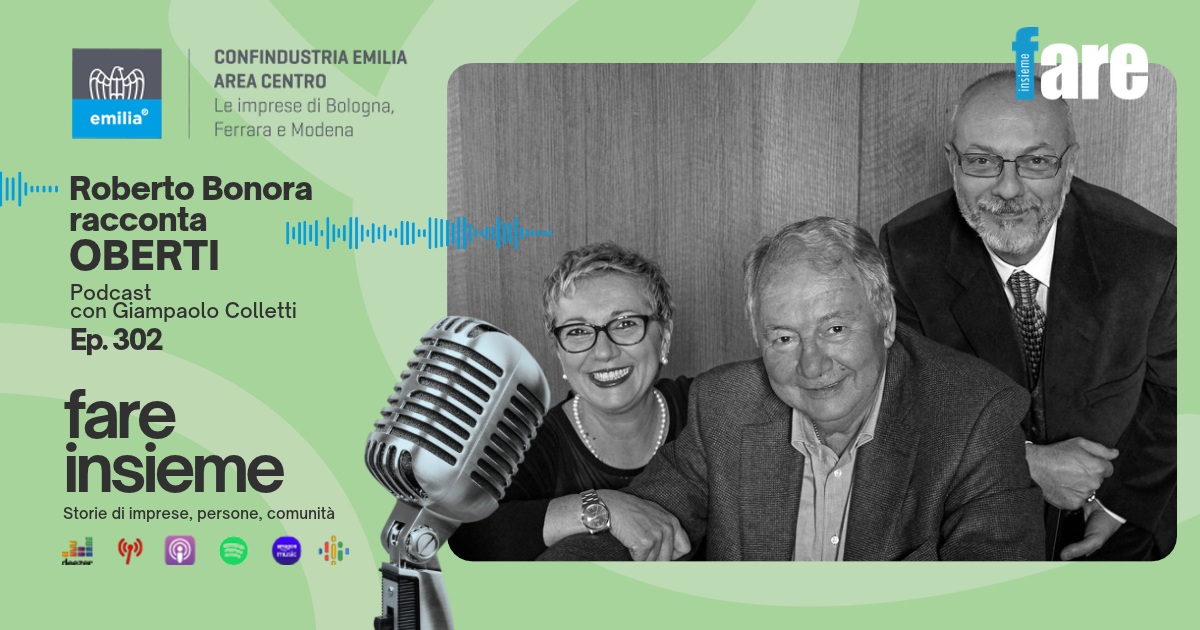
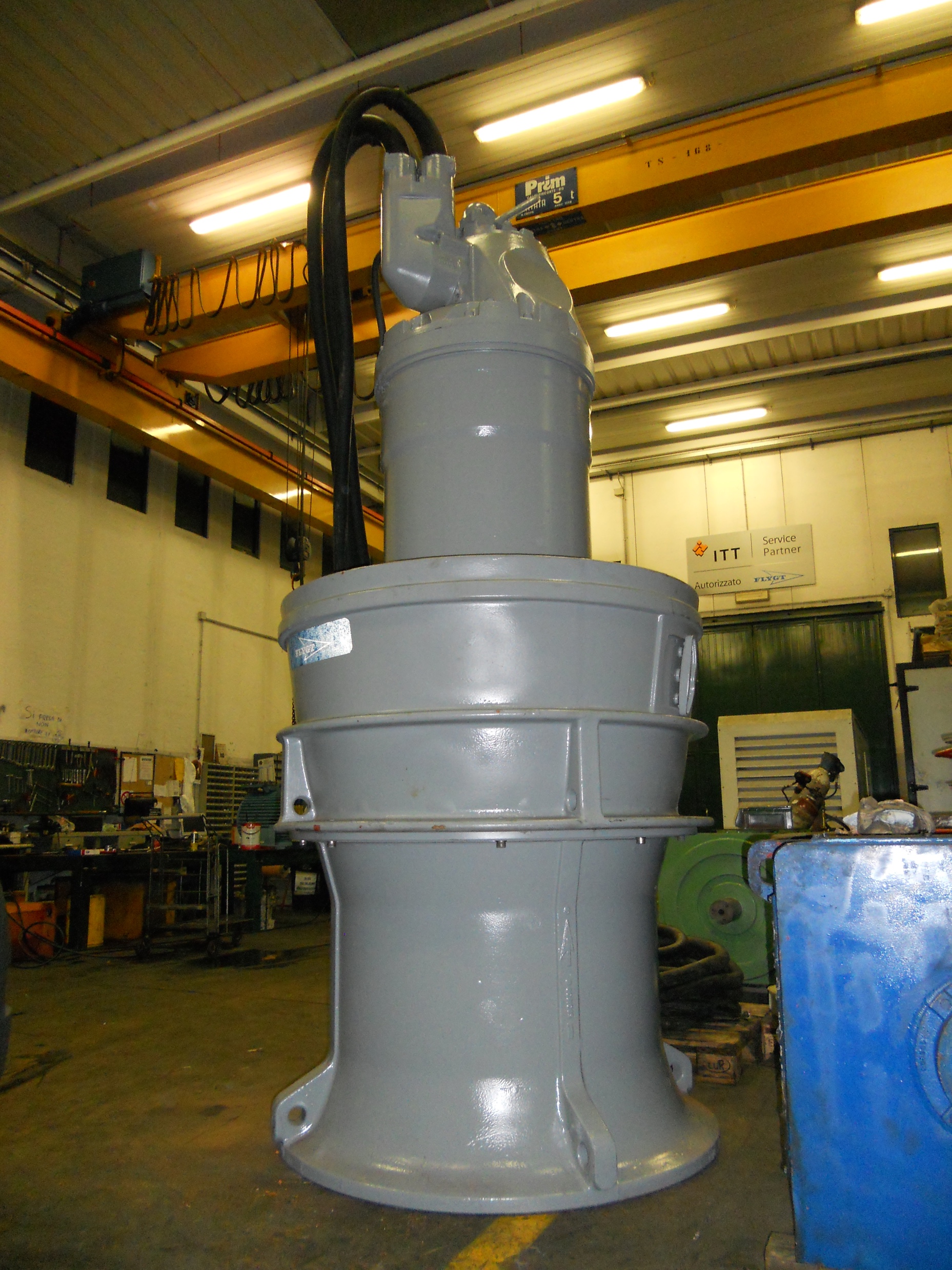
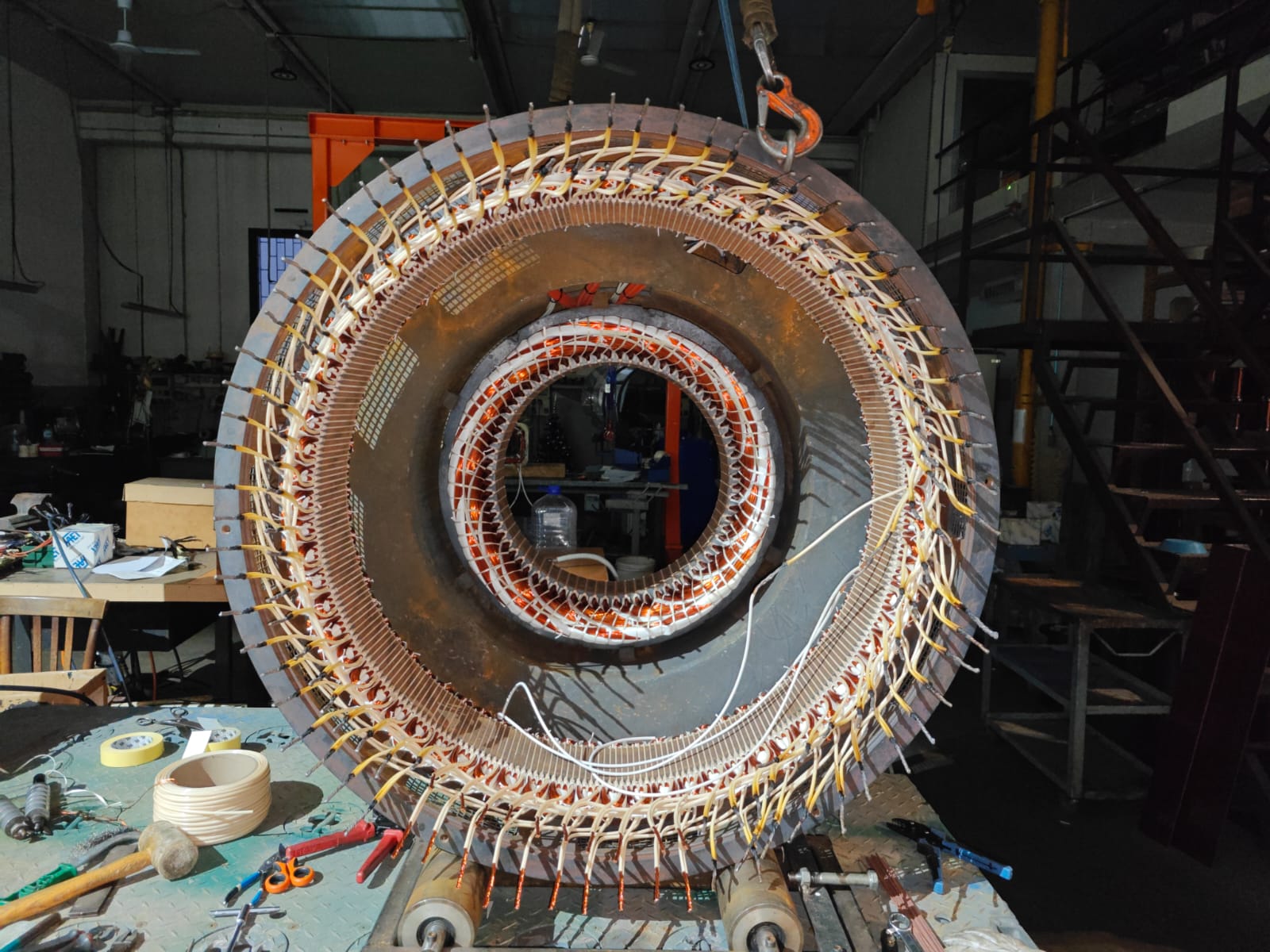
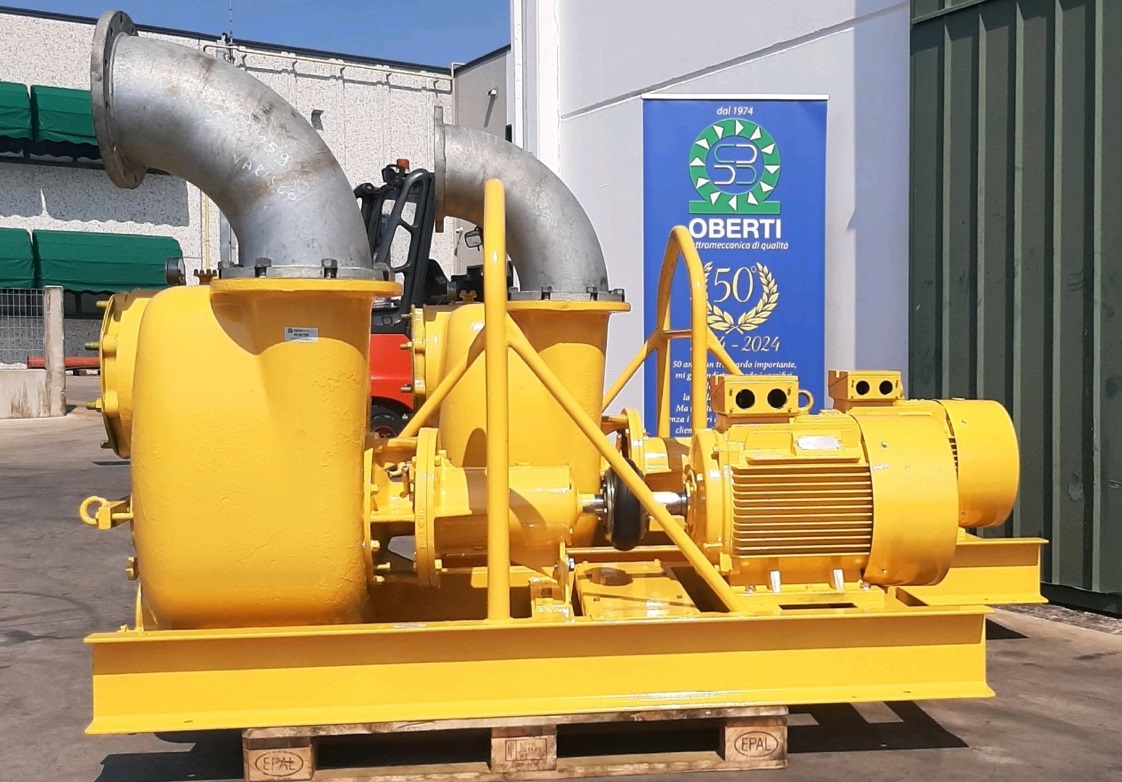
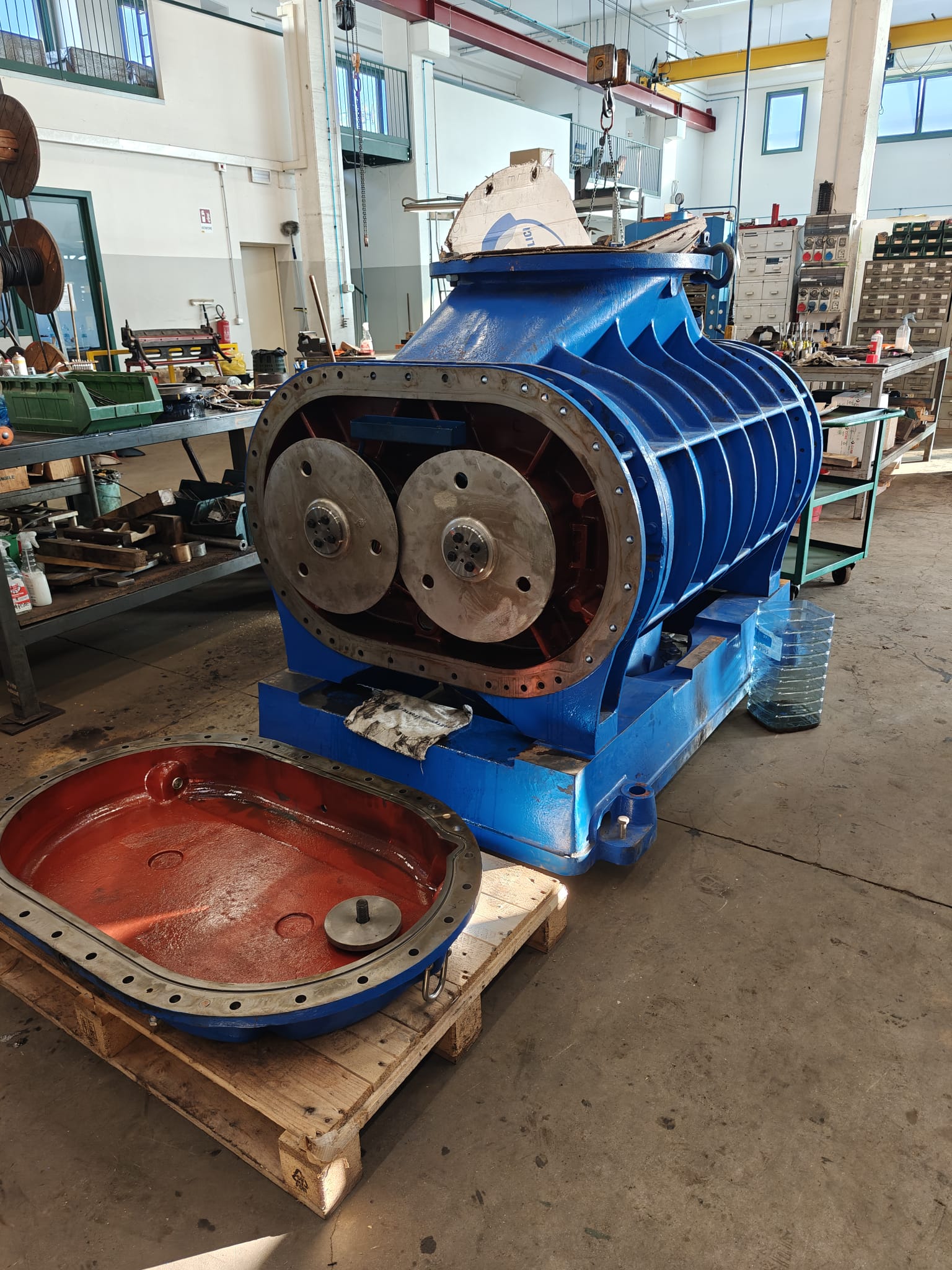
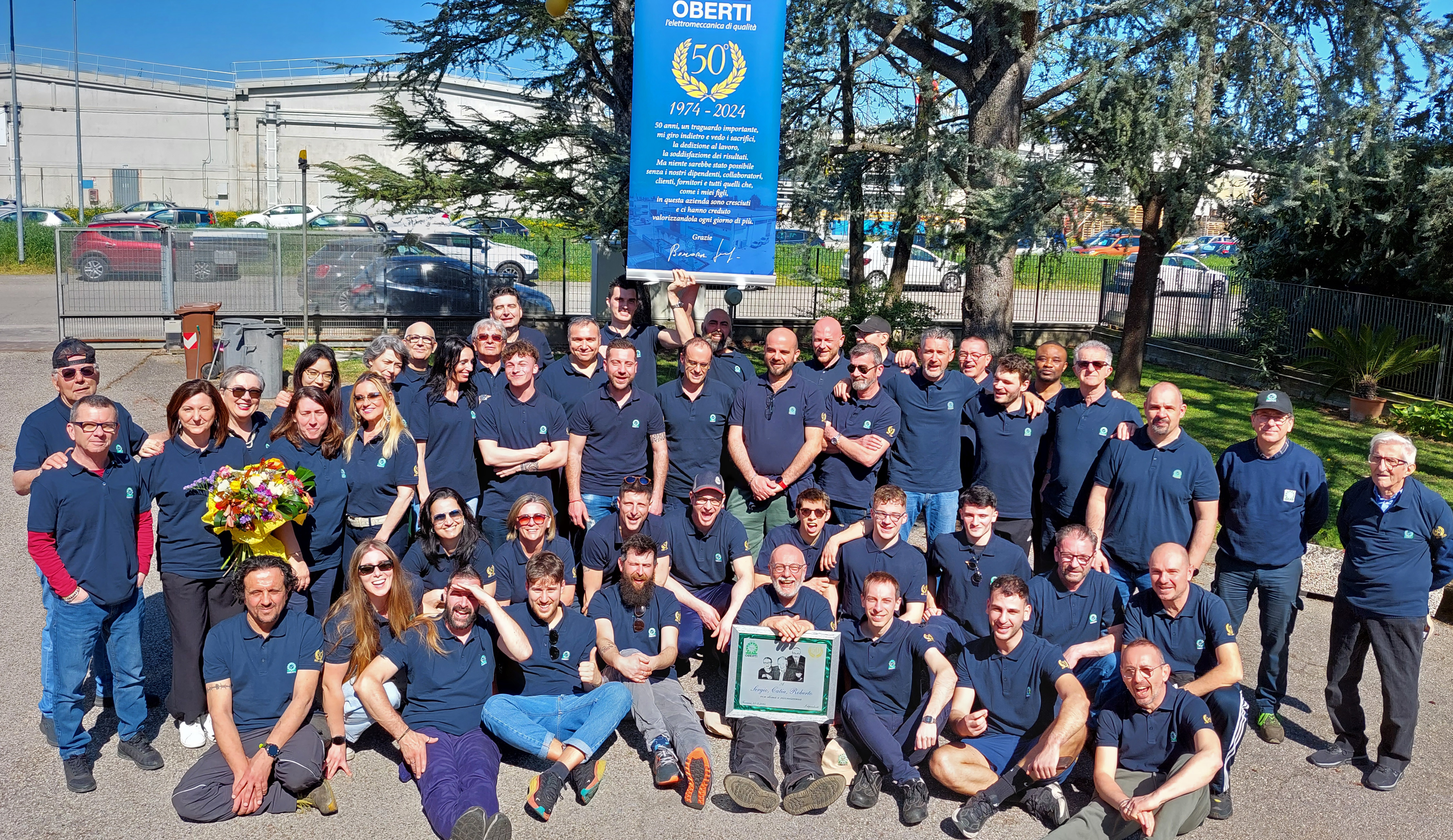
There is a company that has been protecting the hidden heart of Italian factories for more than seventy years. In Ferrara, this family business has become a benchmark in the maintenance of electric motors, transformers and industrial plants, turning experience into innovation and prevention into a true added value. For FARE INSIEME, Giampaolo Colletti interviews Roberto Bonora, Head of Production at Oberti.
by Giampaolo Colletti
@gpcolletti
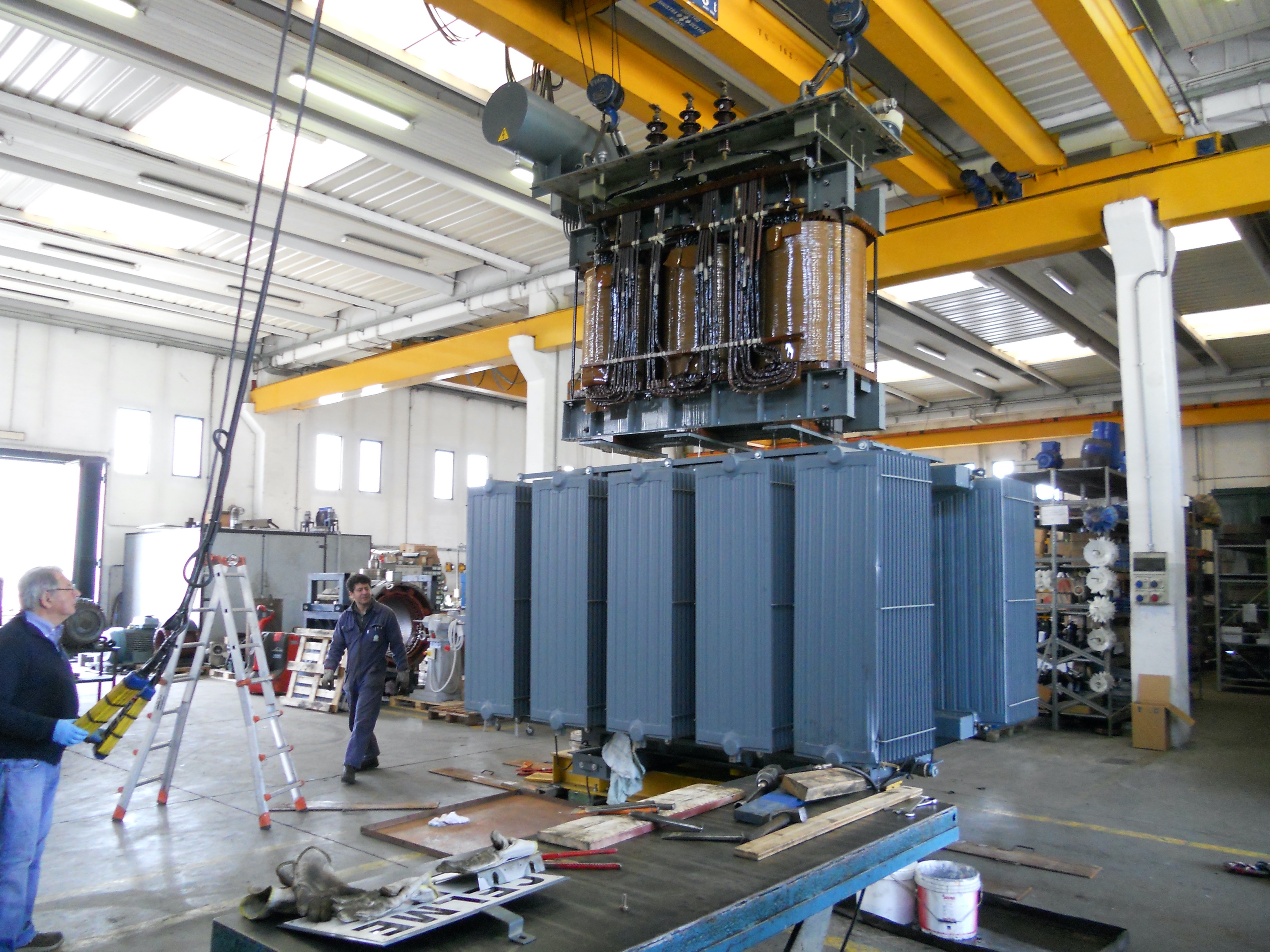
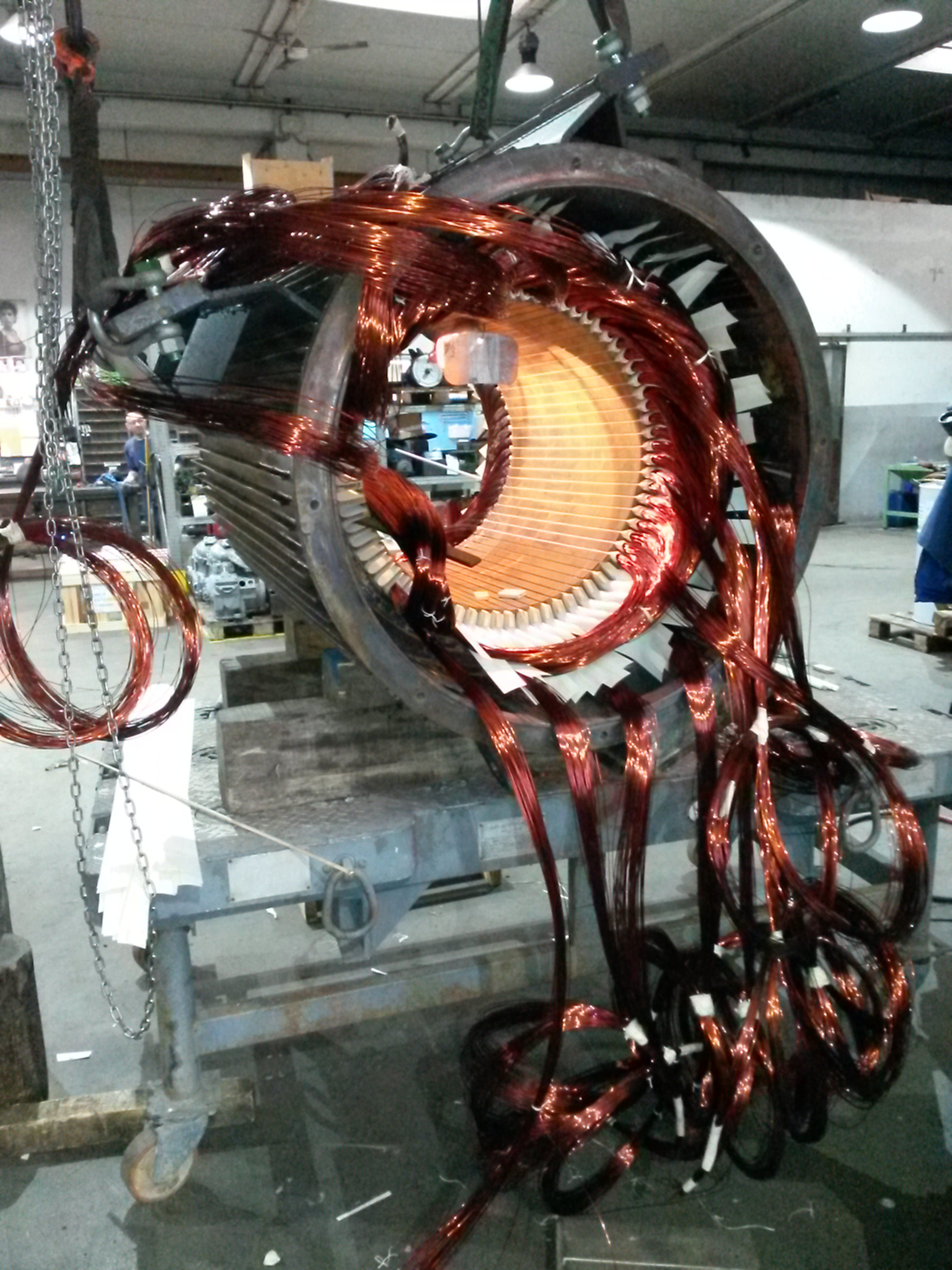
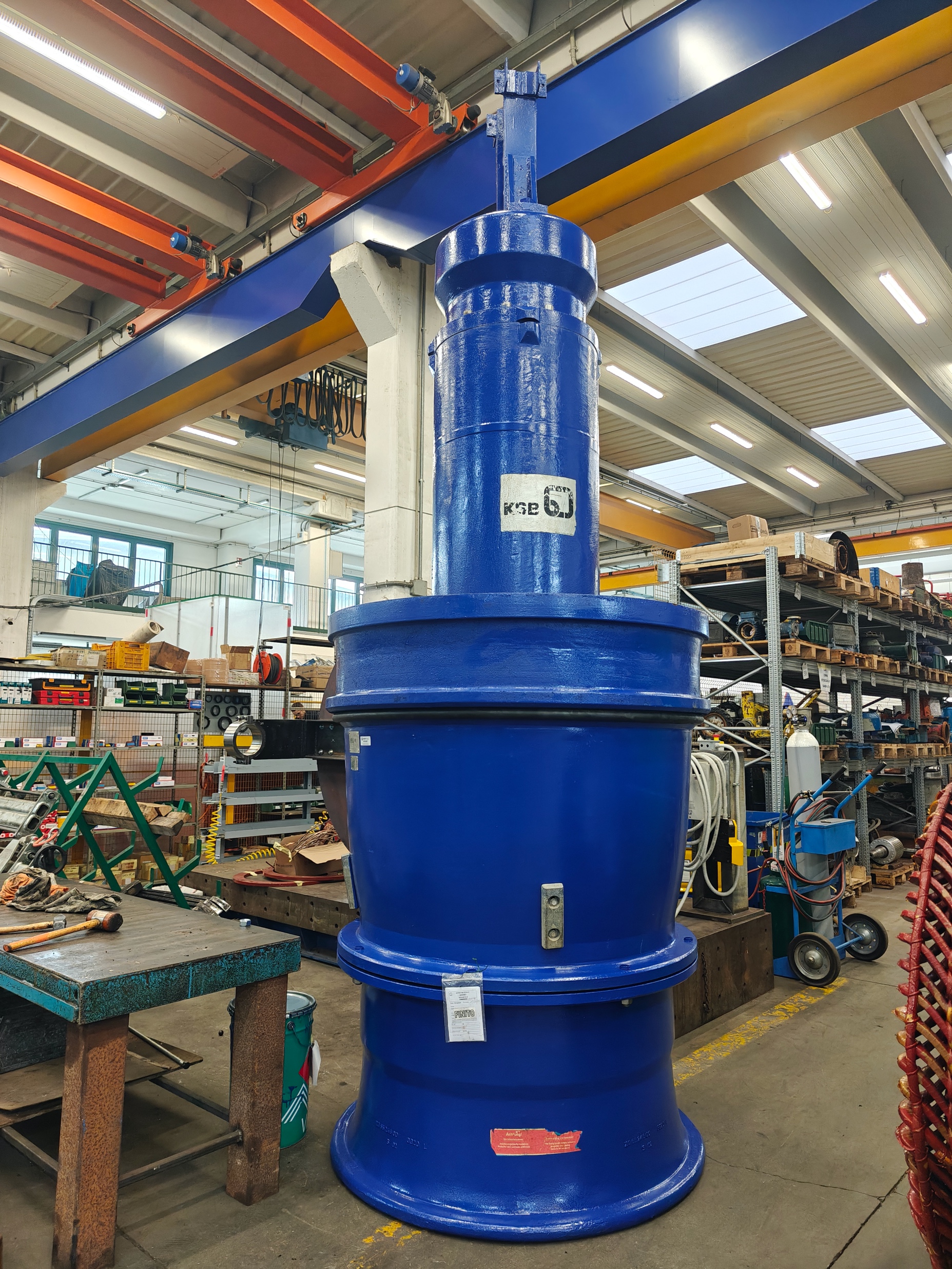
There are motors you cannot see, yet they keep the country running. It may sound like a paradox, but that is exactly the reality. After all, when a production line stops, time takes on a different value. It is no longer measured in minutes, but in thousands of euros. In short, think about it: a single motor failure, a transformer breakdown or a plant that stops running is enough to bring an entire factory to a halt. It is at that moment, when everything seems to stop, that you realise how strategic some companies really are. Oberti is one of them. For more than seventy years, this Ferrara-based company has cared for the hidden heart of Italian industry. It does not make the products we find on the shelves, nor does it build the machines we export around the world. It does something even more important: it keeps everything else running.
Company profile . The story began in 1952, when Tommaso Oberti set up a small craft business that would gradually grow into an industrial company. Today, Oberti is based in the industrial area of Ferrara, employs 46 people and in 2025 recorded more than €6.8 million in turnover. The company supports businesses in the chemical, metalworking, food, ceramics, sugar and timber sectors. From major multinational groups to small local businesses, the common denominator remains the same: ensuring operational continuity. This growth has never been driven by a search for shortcuts.
“We inherited a work culture made up of sacrifice, dedication to customers and continuous reinvestment. Passion for achieving your goals must never be missing”, says Roberto Bonora, Head of Production at Oberti. It is a philosophy deeply rooted in Emilia Romagna. Ferrara, with its industrial and manufacturing heritage, has been an extraordinary testing ground from the very beginning. Sugar refineries, major chemical hubs and agricultural consortia were among the company’s first customers, laying the foundations for expertise that today spans a wide range of production sectors. The real turning point came in 1974, with the move to limited liability company status, followed in 2002 by ISO 9001 certification. That was the moment Oberti definitively moved from craft workshop to industrial organisation, investing in processes, quality and training. “The image of a company that is tidy, clean and well organised reflects the way we work every day”, explains Bonora.
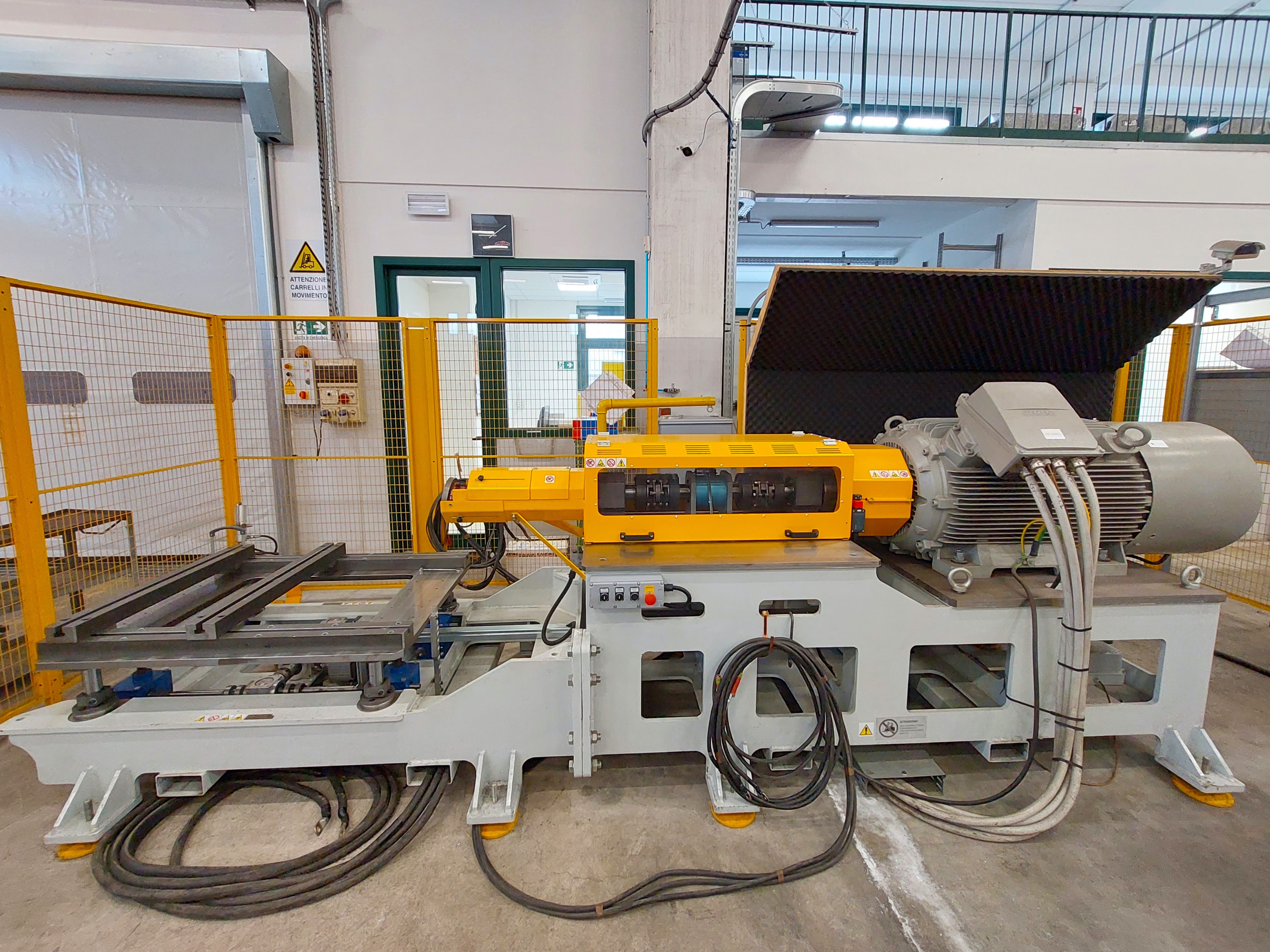
A changing challenge. If once the job mainly consisted of repairing faults, today the goal is to prevent them from occurring in the first place. Predictive maintenance has completely transformed the company’s role. Using tools such as vibration analysis, thermography, electrical diagnostics and transformer monitoring, Oberti can identify almost invisible warning signs, anticipating anomalies that could otherwise turn into production stoppages. “We do not simply repair a motor; we protect our customers’ business by reducing risks, unexpected costs and downtime”, says Bonora. It is a paradigm shift that requires completely new skills. Craft experience remains essential, but today it must be combined with the ability to interpret data, read electrical parameters, analyse thermal images and recognise abnormal behaviour in industrial plants. “Technology generates information. The real difference is made by those who know how to interpret it and turn it into operational decisions.” The new test bench makes it possible to simulate real operating conditions for motors, checking their performance and reliability before they are returned. The expansion of the plant, meanwhile, is an investment in future growth, offering more efficient and safer spaces that are better suited to technological development.
“For the future, true innovation means preserving experience, transferring knowledge and continuing to look ahead”, concludes Bonora. In an age that celebrates speed and immediacy, there are companies that continue to build their future with patience, expertise and responsibility. Because the motors that drive a company's growth are the same ones that keep a country running: they are not always visible, but when they stop, everyone notices.
https://podcast.confindustriaemilia.it/
Read the other interviews